By The Dental Lounge | August 24, 2026
You finished your last Invisalign tray. Your smile looks amazing. It feels like the finish line — but it isn’t. Your Invisalign journey isn’t over when treatment ends in Iowa City. The retention phase is just as important as the alignment phase. Skipping it can undo months of hard work.
At The Dental Lounge, our dental team sees this happen more often than you might expect. Patients stop wearing their retainers too soon. Their teeth shift. The beautiful results they worked so hard for start to fade. Understanding retention helps you protect your investment for life.
Why Your Invisalign Journey Isn’t Over When Treatment Ends in Iowa City
Teeth are not locked in place after Invisalign. They sit in a soft tissue and bone environment that constantly changes. Your body naturally wants to move teeth back toward their original positions. This process is called relapse, and it is very real.
The ligaments holding your teeth in place have memory. They were stretched and repositioned during treatment. After Invisalign, those ligaments try to pull teeth back. Retainers hold everything still while the bone solidifies around new tooth positions.
This stabilization period takes time. Bone remodeling can take anywhere from six months to over a year. Without a retainer, even small shifts can become significant problems. That is why retention is a non-negotiable step in your orthodontic care.
Types of Retainers You May Receive After Invisalign
Your dental provider will recommend one of two main retainer types. Each has distinct advantages depending on your bite, lifestyle, and treatment history.
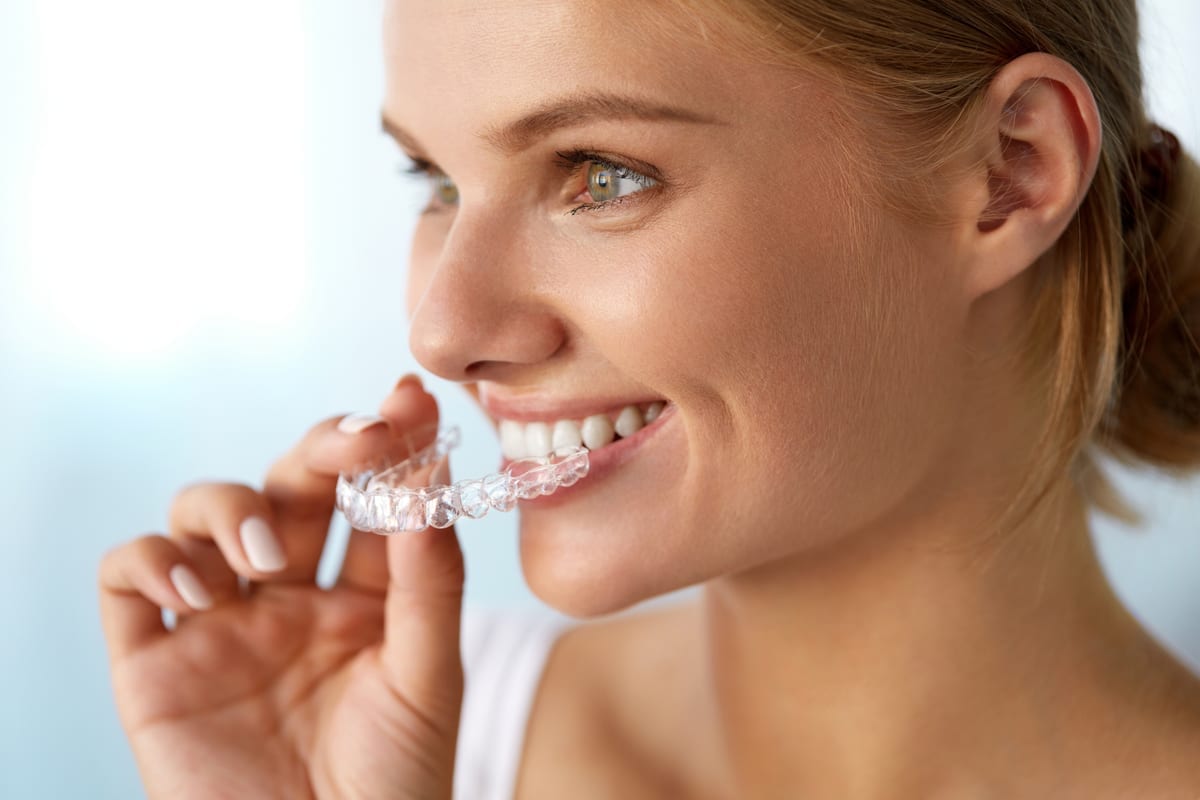
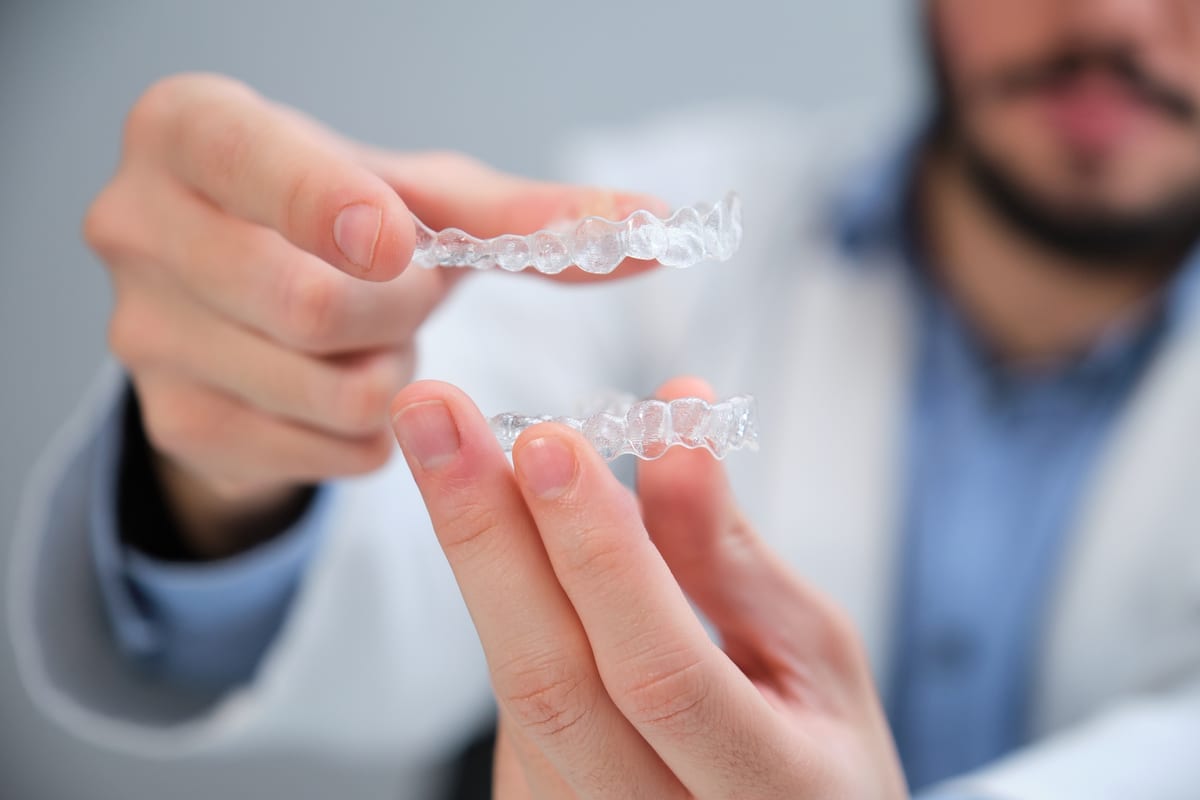
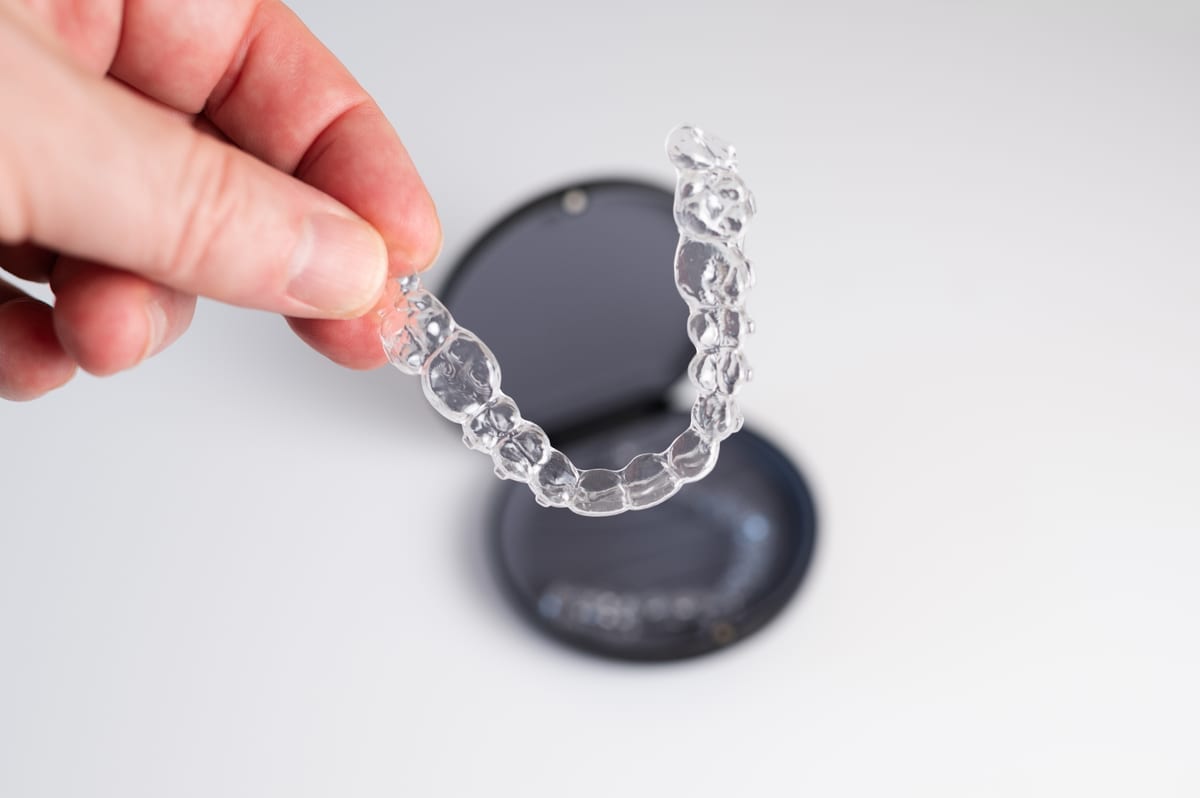
- Removable clear retainers: These look similar to Invisalign trays. You wear them nightly and remove them for eating and brushing.
- Fixed or bonded retainers: A thin wire is bonded to the back of your front teeth. It stays in place permanently without any effort from you.
- Hawley retainers: A wire-and-acrylic option that is durable and adjustable. Less common with Invisalign patients but still used in some cases.
- Combination approach: Some patients use a fixed retainer on the lower teeth and a removable retainer on the upper teeth.
Your dental team will guide you toward the best option. There is no universal answer — the right retainer fits your specific clinical needs.
What Happens If You Stop Wearing Your Retainer
Many patients stop wearing retainers after a few months. They assume their teeth are stable. Unfortunately, that assumption leads to relapse far too often.
In the first few weeks without a retainer, teeth can begin shifting noticeably. Front teeth are especially vulnerable. Crowding often returns first in the lower front teeth. Gaps that were closed may start to reopen.
The longer you go without wearing a retainer, the more difficult it becomes to slip it back in. Eventually, your old retainer will not fit at all. At that point, you may need new records and potentially new treatment. That is a costly and frustrating outcome that is entirely preventable.
- Early relapse: Slight tightness when inserting the retainer
- Moderate relapse: Visible spacing or crowding returns
- Severe relapse: Retainer no longer fits — re-treatment may be needed
- Bite changes: Shifting teeth can affect how your upper and lower jaws meet
- Aesthetic concerns: Alignment that took months to achieve can reverse in weeks
Catching relapse early makes correction easier. That is why regular dental checkups matter so much during retention.
How Long Do You Need to Wear a Retainer After Invisalign
This is the most common question our team hears after treatment ends. The honest answer is: for a very long time — often for life.
In the first three to six months, most patients wear retainers full-time. That means 20 to 22 hours per day. This mirrors the wear schedule used during active Invisalign treatment.
After that initial phase, many patients transition to nightly wear. This is the long-term maintenance stage. Wearing your retainer every night while you sleep protects your results without disrupting your daily routine.
Some patients eventually shift to every other night. However, this depends entirely on individual biology and tooth stability. Your dental team will monitor your progress and advise you. Never change your wear schedule without professional guidance.
Protecting Your Smile With Regular Dental Care in Iowa City
Retention does not exist in a vacuum. Your overall oral health directly impacts how well your teeth hold their new positions. Gum disease, bone loss, and untreated dental issues can all contribute to shifting teeth.
That is why continued preventive care is essential during retention. Routine cleanings remove plaque buildup that threatens gum health. If you are exploring other aspects of your smile, Cosmetic Dentistry Iowa City services can complement your Invisalign results beautifully.
Your annual exams should also include a soft tissue evaluation. Oral Cancer Screening Iowa City is a routine part of comprehensive dental care. It takes only minutes and provides important peace of mind.
Our dental team at The Dental Lounge takes a whole-health approach to your smile. Keeping your teeth healthy supports long-term alignment stability. Everything works together.
Tips for Making Retention a Long-Term Habit
Staying consistent with retainer wear is easier when you build good habits. Many patients find that treating their retainer routine like brushing — something automatic — makes all the difference.
- Store your retainer in its case every single time you remove it
- Clean your retainer daily with a soft toothbrush and cool water
- Keep a backup retainer in case your primary one breaks or is lost
- Set a nightly reminder on your phone until wearing it becomes automatic
- Bring your retainer to every dental checkup so your team can assess fit
- Replace removable retainers every one to three years or as recommended
Small, consistent actions protect your results for decades. Your Invisalign investment deserves that level of care.
Conclusion: Retention Is the Final Chapter — Not an Afterthought
Your smile transformation did not end when you placed your last tray. The retention phase is where lasting results are secured. It requires commitment, but it is far simpler than the treatment itself. One retainer worn nightly is all that stands between your new smile and relapse.
Your Invisalign journey isn’t over when treatment ends in Iowa City — it simply enters a new and equally important phase. The Dental Lounge is here to guide you through every step. We make retention simple, manageable, and part of your overall dental wellness plan. Book Now to schedule your appointment with our team.
Frequently Asked Questions
How soon after Invisalign do I need to start wearing a retainer?
You should begin wearing your retainer immediately after your last Invisalign tray. Most dental providers fit your retainer before your final treatment appointment ends. Even a few days without a retainer can allow minor shifting. Starting right away gives your results the best chance of lasting.
Can I wear my old Invisalign trays as a retainer?
Your final Invisalign trays can serve as temporary retainers in some cases. However, they are not designed for long-term retention use. They are thinner and wear out more quickly than dedicated retainers. Your dental team will recommend a proper retainer to protect your investment over time.
What should I do if my retainer no longer fits?
Do not force a retainer that no longer fits. This can damage your teeth or the appliance itself. Contact your dental provider as soon as possible. Early intervention may allow a new retainer to correct minor shifting before more significant relapse occurs.
How do I clean and care for my removable retainer?
Rinse your retainer with cool water every time you remove it. Brush it gently with a soft toothbrush and mild soap — avoid toothpaste, which can scratch the surface. Never use hot water, as it can warp the plastic. Keep it stored in its case whenever it is not in your mouth.
Is retention the same for every Invisalign patient?
No — retention protocols vary based on each patient’s unique biology and treatment history. Some patients stabilize quickly while others need longer full-time wear. Your dental team will monitor your progress at each visit and adjust recommendations accordingly. Always follow personalized guidance rather than general timelines.