By The Dental Lounge | August 3, 2026
You’ve worn your aligners faithfully. You followed every instruction. Now your Invisalign treatment is complete — and your smile looks amazing. But here’s what many patients in Iowa City don’t realize: your Invisalign journey isn’t over when treatment ends in Iowa City. There’s one more crucial step that protects everything you’ve worked for. That step is retention, and skipping it can undo months of progress.
At The Dental Lounge, our dental team wants every patient to finish treatment fully informed. Understanding the retention phase helps you make smart decisions for your long-term smile health.
Why Your Teeth Don’t Stay Put After Invisalign
Teeth are not set in stone — even after orthodontic treatment. They sit in a cushion of soft tissue called the periodontal ligament. This tissue has memory and pulls teeth back toward their original positions. Orthodontists call this process relapse, and it happens faster than most people expect.
After your final aligner, your bone and tissue need time to solidify around new tooth positions. This process takes months, sometimes longer. Without a retainer holding teeth in place, movement begins within days. Even small shifts can affect your bite, your appearance, and your overall oral health.
The good news is that relapse is completely preventable. A properly fitted retainer does exactly what the name suggests — it retains your results.
Types of Retainers Available to Iowa City Patients
Not all retainers work the same way. Your dental team will recommend the best option based on your specific case. Here are the most common types used after Invisalign treatment:
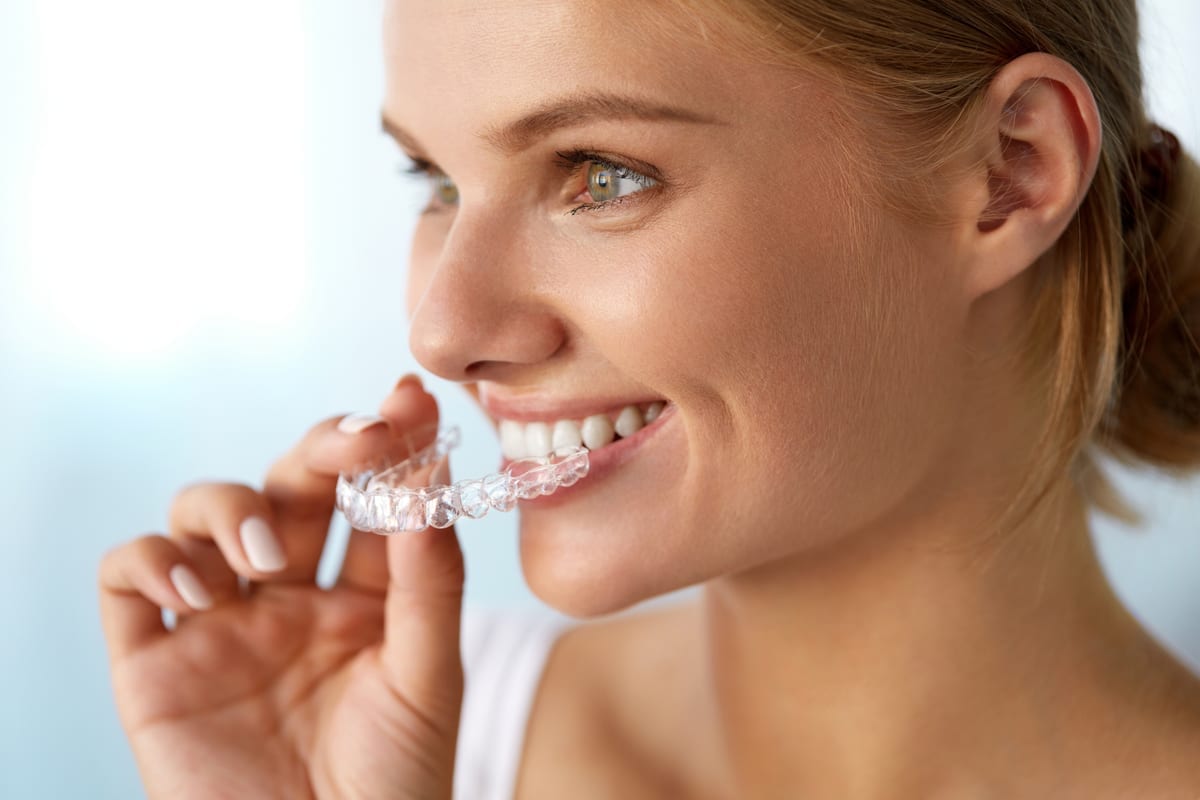
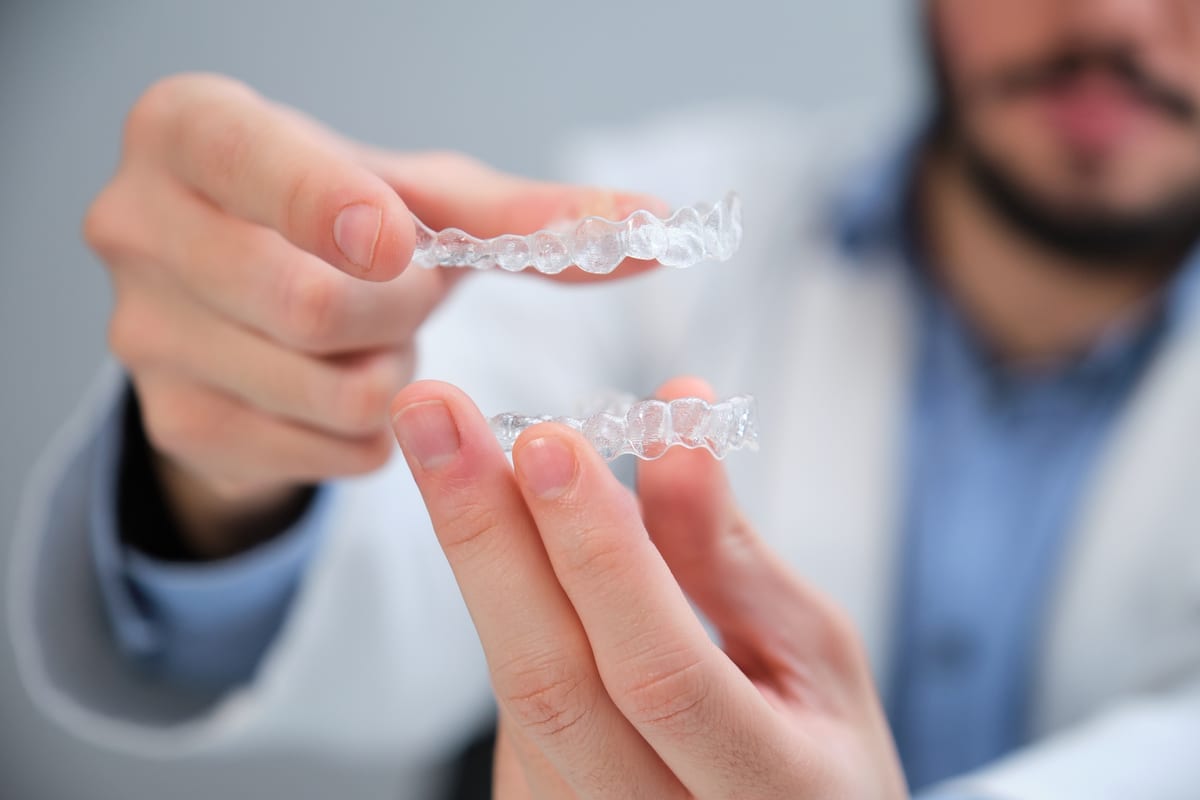
- Vivera Retainers: Made by Invisalign’s manufacturer, these clear plastic retainers fit over your teeth just like aligners. They are discreet and comfortable.
- Essix Retainers: Similar clear plastic trays made from a durable material. They are a popular and affordable option after clear aligner therapy.
- Hawley Retainers: A traditional wire-and-acrylic retainer. More visible than clear options but highly durable and adjustable.
- Bonded (Fixed) Retainers: A thin wire bonded permanently to the back of your front teeth. You cannot remove these yourself, but they work around the clock.
Each type has advantages and limitations. Our dental team will walk you through your options during your final Invisalign appointment. The right retainer fits your lifestyle, your bite, and your long-term goals.
What Happens If You Skip Wearing Your Retainer
This is where many patients make a costly mistake. Treatment ends, life gets busy, and the retainer gets forgotten. Within weeks, teeth begin to drift. Within months, visible changes can occur. Within a year, some patients need to restart treatment entirely.
Here is what relapse can look like without proper retention:
- Front teeth crowding or overlapping again
- Gaps reopening between teeth that were closed during treatment
- Changes in how your upper and lower teeth bite together
- Increased difficulty cleaning between teeth, raising cavity and gum disease risk
- Jaw discomfort caused by a shifting bite
Relapse is not a personal failure. It is simply biology. Teeth move throughout your entire life, even without prior orthodontic treatment. Retainers counteract this natural tendency. Skipping them removes the only barrier between your new smile and its old habits.
Our team also recommends pairing your retention routine with routine dental care. This includes regular Oral Cancer Screening Iowa City visits, which help our team monitor your overall oral health during every checkup.
How Long Will You Wear a Retainer After Invisalign Ends in Iowa City
The short answer: for the rest of your life. That may sound daunting, but the commitment becomes very manageable over time. Most dental teams break retention into two phases.
Phase One — Full-Time Wear: During the first three to six months after Invisalign, you wear your retainer almost all day. Most providers recommend 20 to 22 hours per day. This phase gives your bone tissue time to stabilize around tooth roots.
Phase Two — Nightly Wear: After the initial stabilization period, most patients transition to wearing their retainer only at night while sleeping. This phase typically lasts indefinitely. Many patients wear their retainer nightly for years, even decades, without any inconvenience.
Your specific timeline depends on your case complexity and how your teeth respond after treatment. Our dental team monitors your progress at routine checkups and adjusts recommendations accordingly. The important thing is consistency — even one or two nights per week of skipped wear can allow gradual shifting over time.
Caring for Your Retainer the Right Way
A retainer you don’t maintain won’t protect your smile effectively. Proper care extends the life of your retainer and keeps it hygienic. Follow these simple habits:
- Rinse your retainer with cool water every time you remove it
- Clean it daily with a soft toothbrush and mild dish soap — avoid toothpaste, which is abrasive
- Store it in its protective case when not in use to prevent damage or loss
- Keep it away from heat, including hot water and direct sunlight
- Bring your retainer to every dental checkup so our team can inspect it for cracks or fit issues
Clear retainers typically last one to three years with proper care. Bonded retainers can last much longer but require professional monitoring. If your retainer breaks, warps, or no longer fits snugly, contact our office promptly. Wearing a damaged retainer is less effective than wearing none at all.
Protecting Your Investment and Your Smile Long-Term
Invisalign is a significant investment in your appearance and your confidence. Retention is what makes that investment permanent. Think of your retainer as the maintenance plan for your new smile — like regular oil changes for a car. Skipping it doesn’t feel consequential at first. But over time, the cost of neglect far exceeds the cost of simple upkeep.
At The Dental Lounge, we also offer a full range of services to support your smile beyond retention. If you are curious about smile enhancement options, explore Cosmetic Dentistry Iowa City services that complement your Invisalign results.
Your Invisalign journey isn’t over when treatment ends in Iowa City — but with the right retainer routine, it transitions into something simple, effortless, and lasting. Our dental team is here to guide you through every step, from your first aligner to your final retainer check-in. Book Now to schedule your appointment with our team.
Frequently Asked Questions
How soon after Invisalign ends do I need to start wearing my retainer?
You should begin wearing your retainer immediately after your final aligner. Your dental team will provide your retainer at your completion appointment. Even a few days without a retainer can allow early tooth movement to begin.
Can I wear my last Invisalign aligner as a temporary retainer?
Your last aligner can serve as a very short-term placeholder, but it is not a substitute for a proper retainer. It was designed to move teeth, not hold them. A dedicated retainer is made to stabilize your final position effectively and comfortably.
What happens if my retainer no longer fits after a few months?
A retainer that no longer fits is a sign that some tooth movement has occurred. Do not force it onto your teeth. Contact our office as soon as possible. Our team can assess whether a new retainer or additional treatment is needed to restore your alignment.
Is it normal for a retainer to feel tight after not wearing it for a night?
Some tightness after a missed night is normal and usually temporary. However, if your retainer feels consistently tight or painful, that is a signal your teeth are shifting. Consistent nightly wear prevents this feeling from becoming a recurring issue.
Does The Dental Lounge in Iowa City provide retainers after Invisalign?
Yes, our dental team provides retainer fittings and ongoing retention support for patients in Iowa City. We offer multiple retainer types and monitor your retention progress at routine checkups to keep your smile stable long after treatment ends.