By The Dental Lounge | August 17, 2026
You finished your last Invisalign tray. Your smile looks incredible. But here is the truth most patients do not expect — your Invisalign journey isn’t over yet. Retainers are non-negotiable in Iowa City and everywhere else. Without them, your teeth will shift back. The progress you worked so hard for can disappear faster than you think.
At The Dental Lounge in Iowa City, IA, our dental team sees this happen regularly. Patients skip their retainers and return months later frustrated with shifting teeth. Understanding why retention matters helps you protect your investment for life.
Why Your Teeth Want to Move Back After Invisalign
Your teeth are not locked in place after treatment ends. They sit in a soft tissue and bone structure that has memory. That structure wants to return to where it was before. This is called orthodontic relapse, and it is completely natural.
During Invisalign, your aligners applied steady pressure over many months. Your bone slowly remodeled around each new tooth position. But bone remodeling takes time to fully stabilize. In the weeks and months after treatment, that bone is still settling.
Without a retainer holding your teeth steady, they drift. Even a few weeks without wearing your retainer can cause noticeable movement. The longer you go without one, the harder it becomes to correct. Retainers are not optional — they are the final and most permanent phase of your orthodontic care.
Types of Retainers Available in Iowa City, IA
Not all retainers work the same way. Your dental team will recommend the right type based on your specific case. Here are the most common options available today:
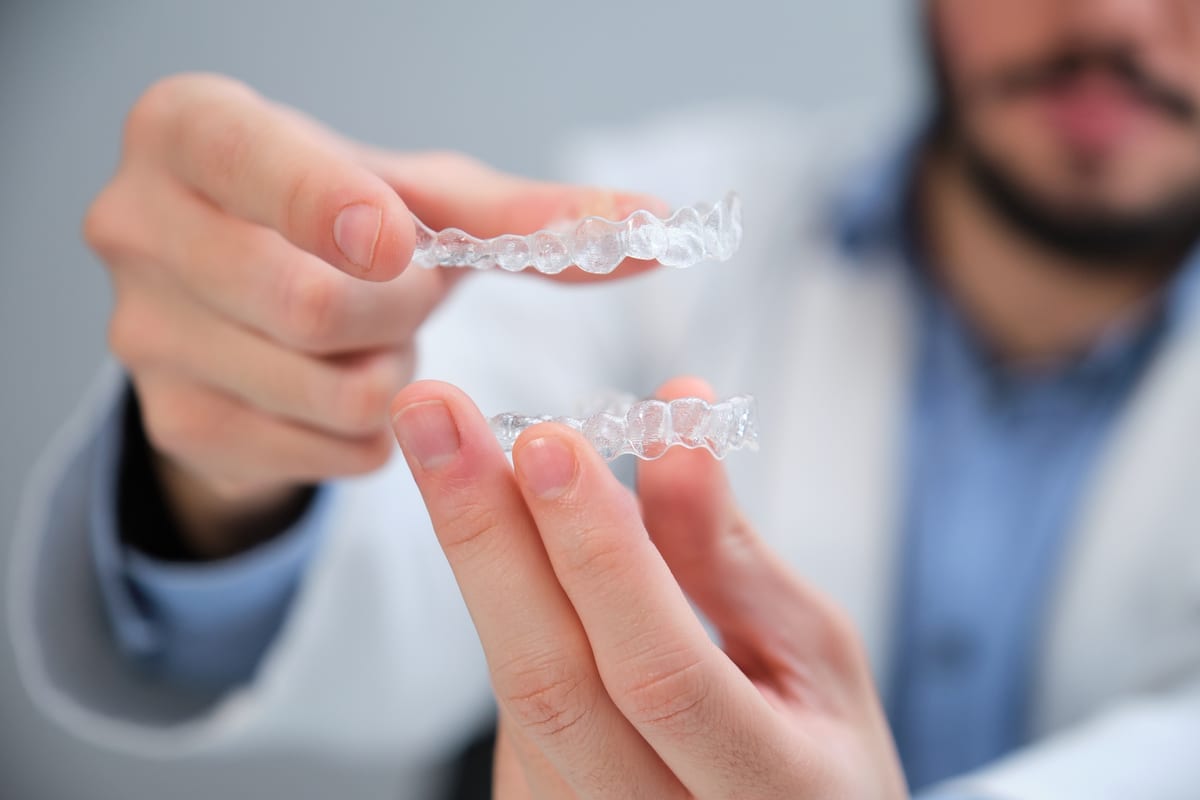
- Removable clear retainers: These look similar to Invisalign trays. They are virtually invisible and easy to wear at night.
- Hawley retainers: These are traditional wire-and-acrylic retainers. They are durable and adjustable if minor movement occurs.
- Fixed or bonded retainers: A thin wire is bonded behind your teeth. It stays in place permanently and requires no daily effort from you.
- Combination retainers: Some patients use a fixed retainer on the bottom and a removable tray on top for maximum protection.
Each type has clear advantages depending on your lifestyle. Our dental team at The Dental Lounge will walk you through your best option. The goal is to find a retainer you will actually wear consistently.
What Happens If You Stop Wearing Your Retainer
Skipping your retainer has real and measurable consequences. Teeth can begin shifting within days of stopping wear. The changes are subtle at first, but they compound quickly over weeks and months.
Here is what patients often experience when they stop wearing retainers:
- Crowding returns in the front teeth, especially the lower arch
- Gaps reopen between teeth that were once closed
- Bite alignment shifts, causing discomfort or uneven chewing
- Retainers no longer fit properly, making correction more difficult
- Additional orthodontic treatment may become necessary
Many patients assume a few missed nights do not matter. In reality, consistent wear is what keeps your results locked in. If your retainer feels tight after a break, that tightness is your teeth trying to tell you something. Do not ignore it.
Beyond aesthetics, shifting teeth can also create hygiene challenges. Crowded or misaligned teeth are harder to clean effectively. That increases your risk of gum disease and cavities over time. This is one reason our team also emphasizes services like Oral Cancer Screening Iowa City and routine checkups as part of your ongoing dental health plan.
How Long Do You Actually Need to Wear a Retainer
This is the question every patient asks. The honest answer is: for the rest of your life. That might sound overwhelming at first. But the good news is that the daily commitment decreases significantly over time.
Here is a general timeline most patients follow after Invisalign:
- First 3–6 months: Full-time wear is recommended. Your bone is still stabilizing around new tooth positions.
- Months 6–12: You can typically transition to nighttime wear only. Your teeth are more stable by this point.
- Year 1 and beyond: Most patients wear their retainer every night indefinitely. This maintains results with minimal effort.
Think of your retainer like sunscreen for your smile. A small daily habit prevents a big problem later. Our dental team will monitor your retention progress at every checkup. We make adjustments to your plan as your needs evolve.
Retainers and Your Complete Smile Health in Iowa City
Retainers are just one part of maintaining a healthy, beautiful smile long-term. After Invisalign, your oral health routine matters more than ever. Clean teeth stay straighter and healthier over time.
If you are also exploring ways to enhance your smile alongside retention, our team offers Cosmetic Dentistry Iowa City services to complement your results. Teeth whitening, bonding, and other treatments work best when your alignment is stable. Your retainer protects that foundation.
Regular cleanings and checkups also support your retention journey. Gum disease and bone loss can compromise tooth stability even with perfect retainer habits. Staying current on your preventive care gives your retainer the best environment to work in.
Conclusion: Protect Every Step of Your Smile Journey
Finishing Invisalign is a major achievement. Your smile reflects months of commitment and care. But the work does not stop when you pull out your last tray. Wearing your retainer consistently is the step that makes everything else last.
At The Dental Lounge in Iowa City, our dental team is here to guide you through every phase of your smile journey. From your first aligner to lifelong retention, we make sure your results stay exactly where they belong. Book Now to schedule your appointment with our team.
Frequently Asked Questions
How soon after Invisalign do I need to start wearing a retainer?
You should begin wearing your retainer immediately after your final Invisalign tray. Your teeth are most vulnerable to shifting in the first few weeks after treatment ends. Even a short delay can allow movement to begin. Your dental team will provide your retainer at your finishing appointment.
Can I go back to Invisalign if my teeth shift after stopping my retainer?
In many cases, yes. Minor relapse can often be corrected with a new round of aligners. However, correction requires additional time and cost. It is far easier and less expensive to maintain your results with a retainer than to redo treatment later.
How do I clean and care for my removable retainer?
Rinse your retainer with cool water every time you remove it. Brush it gently with a soft toothbrush and mild soap. Avoid hot water, which can warp the plastic. Store it in its case when you are not wearing it to prevent damage or loss.
What should I do if my retainer feels tight or no longer fits?
A tight retainer usually means your teeth have shifted slightly. Do not force it. Contact your dental team as soon as possible. Catching the shift early gives you the best chance of correcting it without needing full retreatment.
Is a fixed retainer better than a removable one?
Fixed retainers offer consistent protection because they work without any effort on your part. However, they require extra care during brushing and flossing. Removable retainers offer flexibility but depend on your daily commitment to wear them. Your dental team can help you decide which option fits your lifestyle best.