By The Dental Lounge | May 15, 2026
Most people assume a dental implant procedure must involve a difficult recovery because it sounds more advanced than having a tooth removed. Surprisingly, many patients at The Dental Lounge say the opposite afterward. They often describe implant healing as smoother and more manageable than the extraction itself.
That reaction usually comes from misunderstanding how these procedures affect the mouth. A tooth extraction often happens because pain, infection, pressure, or inflammation already exists before treatment begins. The area may already be swollen and irritated long before the tooth is removed.
With properly planned dental implants, treatment is usually completed under more controlled conditions. Modern imaging, careful preparation, and stable placement help reduce unnecessary tissue trauma during healing.
Recovery is not determined by whether a procedure sounds “major.” It depends more on inflammation, stability, tissue condition, and aftercare. That distinction explains why many people throughout Iowa are often surprised by how comfortable implant recovery can feel compared to a difficult extraction.
Why Do Many Patients Expect Implant Recovery To Be Worse?
The Word “Implant” Sounds More Invasive
The term itself can make people nervous. Patients often imagine extensive surgery, drilling, or weeks of severe discomfort. Many assume implants automatically involve a long and painful healing process because the procedure sounds highly technical.
Social media and online stories sometimes increase those fears. Patients may hear dramatic descriptions that do not reflect modern treatment methods. In reality, the placement of dental implants in Iowa City today is highly precise and carefully planned.
At The Dental Lounge, many patients are surprised to learn the procedure is often less uncomfortable than they expected. The treatment is controlled, targeted, and designed to protect surrounding tissue as much as possible.
Tooth Extractions Feel More Familiar
Extractions sound simpler because people hear about them more often. Nearly everyone knows someone who has had a tooth removed. However, familiarity does not always mean easier healing.
Many extractions happen during emergencies involving infection, swelling, cracked teeth, or advanced decay. The discomfort people remember may actually come from the condition of the tooth before removal rather than the procedure itself.
In communities around Iowa where busy schedules often delay dental care, patients sometimes wait until pain becomes severe before seeking treatment. By then, inflammation has already affected the surrounding tissues.
That is why an extraction can occasionally feel more uncomfortable afterward than patients expect. The body is not only healing from removal. It is also recovering from the infection or irritation that existed beforehand.
What Actually Makes A Tooth Extraction More Uncomfortable?
Extractions Often Happen After Pain Or Infection
Many teeth are removed because they are already damaged or infected. Pressure inside the tooth and gums may already be creating soreness before treatment even begins.
Swelling, irritated nerves, and bacterial infection can make the area highly sensitive. Removing the tooth helps solve the problem, but the tissue still needs time to calm down afterward.
The Area Is Left Open During Healing
After an extraction, the socket remains open while healing takes place from the inside outward. Blood clot formation becomes critical during this stage.
That exposed area can feel tender during eating, drinking, or brushing. Patients sometimes notice sensitivity because the site lacks immediate structural support during early healing.
Bone And Tissue Trauma Can Increase Soreness
Some extractions require more extensive work than others. Teeth may need to be sectioned into pieces or removed from beneath the gums.
Wisdom teeth, fractured teeth, and severely damaged roots often create more surgical trauma. Additional bone removal can also increase swelling and discomfort afterward.
These situations explain why recovery from a “simple extraction” is not always as easy as patients expect.
Why Is Dental Implant Recovery Often More Comfortable?
Implant Placement Is Usually Planned In Advance
Modern implant treatment is extremely precise. Dentists use digital scans and guided planning to determine the exact placement before the procedure begins.
This preparation minimizes unnecessary movement or tissue disruption during surgery. Instead of reacting to an emergency, the treatment is carefully organized in advance.
The Implant Stabilizes The Area
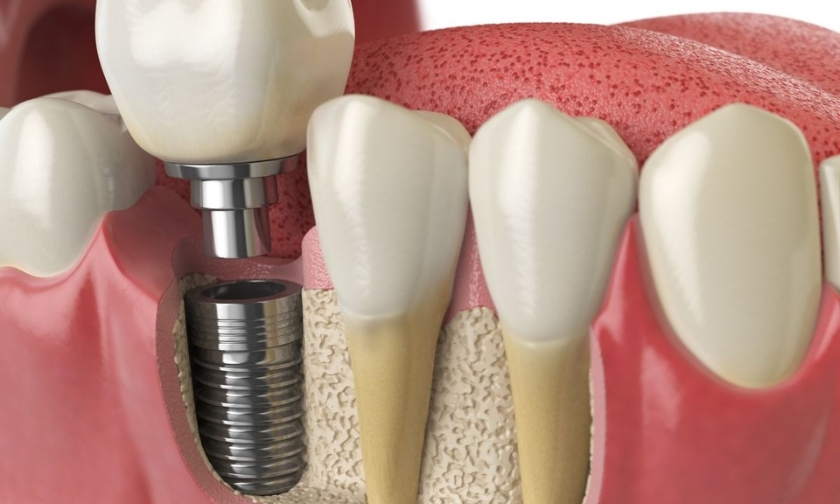
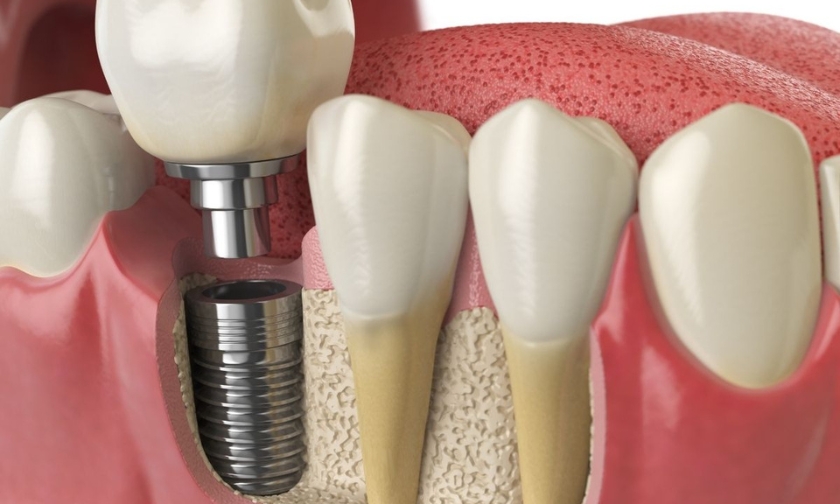
Unlike an empty extraction socket, the implant fills the space immediately. That stability can help reduce movement and irritation during healing.
The surrounding tissue often responds better because the area is supported rather than left open. Many patients describe the sensation as pressure or mild soreness instead of severe pain.
Less Ongoing Inflammation Means Easier Healing
Implant sites are commonly healthier before surgery begins. Infection and swelling are often treated beforehand, creating cleaner healing conditions.
When inflammation is reduced, the body can focus on recovery more efficiently. Patients frequently notice less soreness than they anticipated.
Many people receiving dental implants in Iowa City at The Dental Lounge are surprised by how quickly they return to normal routines. Some resume office work within a day or two, depending on the complexity of treatment.
In areas throughout Iowa where patients balance commuting, family schedules, and outdoor seasonal activities, faster recovery matters. People want solutions that restore function without disrupting daily life for weeks.
Another advantage is predictability. Implant treatment follows a planned process rather than reacting to worsening pain or emergency infection. That controlled environment often creates a smoother healing experience overall.
What Does Recovery After Dental Implant Surgery Usually Feel Like?
Mild Swelling And Pressure Are Common
Most patients notice mild swelling, tenderness, or pressure during the first few days. This response is normal and usually manageable with ice packs, prescribed medications, and rest.
The discomfort often feels less intense than many people expect beforehand.
Most Patients Return To Normal Activities Quickly
Recovery time varies depending on the number of implants placed and whether additional procedures are involved. However, many patients return to work quickly after a single implant placement.
More complex procedures involving multiple teeth may require additional recovery time.
Healing Continues Beneath The Surface
Even after soreness fades, healing continues underneath the gums. This process is called osseointegration, where the implant gradually bonds with the jawbone.
The bond develops over several months and creates the long-term stability that implants are known for.
When Can Implant Recovery Feel More Difficult?
Bone Grafting Or Multiple Implants
Additional procedures may increase healing time. Bone grafting or full-mouth treatment naturally involves more tissue recovery than placing a single implant.
Smoking And Certain Health Conditions
Smoking, uncontrolled diabetes, poor oral hygiene, and chronic inflammation can slow healing significantly.
These factors affect blood flow and the body’s ability to repair tissue properly.
Ignoring Post-Procedure Instructions
Recovery also depends heavily on aftercare. Eating hard foods too early, skipping oral hygiene instructions, or returning to strenuous activity too soon can increase discomfort.
Following instructions carefully helps reduce complications and supports better long-term healing.
How Can Patients Make Recovery Smoother?
Follow Aftercare Instructions Closely
Rest, medications, and cleaning instructions all play an important role during early healing. Small details can make a major difference in comfort.
Choose Soft Foods During Early Healing
Foods like yogurt, eggs, smoothies, soup, oatmeal, and mashed potatoes are easier on healing tissue.
Avoid chewing directly near the surgical site during the first phase of recovery.
Attend Follow-Up Visits
Routine follow-up visits allow the dental team to monitor healing closely and identify concerns early before they become larger problems.
Patients who stay consistent with follow-up care often experience smoother long-term outcomes.
Are Dental Implants Worth The Healing Process?
For many patients, the answer becomes clear once healing is complete. Implants restore stability, improve chewing strength, and help preserve jawbone structure after tooth loss.
Patients often notice improvements in confidence, speech clarity, and daily comfort. Unlike removable solutions, implants function more like natural teeth and support long-term oral stability.
Most importantly, recovery is frequently more manageable than people initially fear. Many patients spend far more time worrying beforehand than actually struggling afterward.
At The Dental Lounge, treatment planning focuses on creating comfortable, predictable experiences that help patients regain confidence in their smile and oral health.
The idea that implant recovery must be extremely painful is often based more on fear than reality. In many cases, healing after an extraction feels more uncomfortable because infection, inflammation, and exposed tissue already existed beforehand.
Implant treatment is typically performed under controlled conditions with careful planning and stable support during healing. That difference often leads to a smoother recovery experience than patients expect.
If missing teeth have been affecting your comfort or confidence, recovery concerns should not stop you from exploring your options. Modern implant dentistry has advanced significantly, making treatment more comfortable and predictable than ever before.
A consultation at The Dental Lounge can help you better understand what recovery may actually look like for your specific needs and goals.
Frequently Asked Questions
How long does dental implant recovery usually take?
Initial healing often improves within several days. However, the implant continues bonding with the jawbone over the next few months beneath the surface.
Can I return to work after implant surgery?
Many patients return to work within one or two days after a single implant procedure, depending on their comfort level and the complexity of treatment.
What foods should I eat after implant placement?
Soft foods like yogurt, soup, eggs, smoothies, oatmeal, and mashed potatoes are usually recommended during the first stage of healing.
Can smoking affect implant healing?
Yes, smoking can slow healing and increase the risk of complications because it reduces healthy blood flow to the surgical area.
How can I make implant recovery easier?
Following aftercare instructions, eating soft foods, avoiding smoking, and attending follow-up visits can help improve comfort and healing.