By The Dental Lounge | May 6, 2026
Most people expect tooth loss to affect their smile. Few realize it can quietly affect the bone underneath as well. After a tooth is lost, the jawbone no longer receives the stimulation it once got from chewing and biting. Over time, the body begins breaking down that unused bone, a process called bone resorption.
This change often happens slowly and without pain. Many people do not notice it until facial features begin shifting, nearby teeth loosen, or chewing becomes more difficult. In communities across Iowa, where busy work schedules, family routines, and seasonal activities often push dental care lower on the list, these changes can continue unnoticed for years.
At The Dental Lounge, protecting long-term oral health means looking beyond the surface of the smile. Through preventive care, advanced imaging, and restorative solutions like dental implants, the team focuses on stopping bone loss before it creates larger structural problems.
What Does “Jawbone Melting Away” Actually Mean?
Understanding Bone Resorption
Jawbone “melting” is not literal, but the process behind it is very real. Bone resorption happens when the body starts reabsorbing bone tissue that is no longer being used. The jawbone depends on regular stimulation to stay strong and dense. Once that stimulation disappears, the body gradually reduces the bone in that area.
This process is natural. The body constantly rebuilds and removes bone tissue throughout life. However, when a tooth is missing, the jaw no longer receives the pressure signals needed to maintain its structure. As a result, the bone slowly shrinks.
Bone loss can begin surprisingly fast after tooth removal. Studies show noticeable changes may start within the first year. The longer the area remains untreated, the more bone may disappear.
Why The Jawbone Needs Tooth Roots
Tooth roots do much more than hold teeth in place. Every time you bite or chew, pressure travels through the roots into the jawbone. That stimulation tells the body the bone is still needed.
A simple comparison is muscle loss after inactivity. When muscles are not used regularly, they weaken and shrink. Jawbone behaves similarly.
When teeth go missing, that connection disappears. Even if the gums heal, the bone underneath may continue shrinking silently. This is why replacing missing teeth quickly often plays a major role in preserving long-term oral structure.
What Causes Jawbone Loss To Begin?
Missing Teeth
Tooth loss remains the leading cause of jawbone shrinkage. Once a tooth is removed or falls out, the surrounding bone loses stimulation almost immediately. Bone reduction may become noticeable within months.
Gum Disease
Advanced gum disease damages both soft tissue and supporting bone. Bacteria spread beneath the gums, triggering inflammation that slowly destroys the structures holding teeth in place. Without treatment, bone loss can become extensive.
Dentures Without Support
Traditional dentures sit on top of the gums rather than stimulating the jawbone directly. Over time, this may allow the bone underneath to continue shrinking. Many denture wearers eventually notice changes in fit because the jaw shape itself has changed.
Trauma Or Delayed Treatment
Cracked teeth, untreated infections, failed restorations, and oral injuries may all contribute to bone deterioration. Delaying treatment often gives inflammation and structural damage more time to spread.
Signs Your Jawbone May Already Be Shrinking
Facial Changes
Jawbone loss can subtly alter facial appearance over time. Common signs include:
- Sunken cheeks
- Wrinkles around the mouth
- A collapsed or shortened smile appearance
- Changes in jawline definition
These changes often create a prematurely aged appearance.
Oral Function Problems
Bone supports the entire bite system. As it weakens, patients may notice:
- Loose teeth
- Shifting bite alignment
- Difficulty chewing certain foods
- Increased sensitivity to pressure
Denture Fit Problems
Loose dentures are often linked to underlying bone changes rather than the appliance itself. As the jaw shrinks, dentures lose their stability.
Changes Seen in Digital Imaging
At The Dental Lounge, advanced CBCT and digital imaging technology help detect bone loss before major symptoms appear. These scans provide a detailed view of jaw structure, helping identify hidden deterioration early.
Why Bone Loss Is More Serious Than Most People Think
It Affects Future Treatment Options
Severe bone loss may limit restorative options later. Some patients eventually require bone rebuilding procedures before replacement teeth can even be considered.
It Can Change Facial Structure
The jawbone supports facial shape. As bone disappears, the lower face may begin collapsing inward, creating deeper folds and a weaker profile.
It May Lead To More Tooth Loss
Bone supports neighboring teeth as well. When surrounding support weakens, additional teeth may become unstable over time.
How The Dental Lounge Helps Stop Bone Resorption
Dental Implants That Stimulate Bone
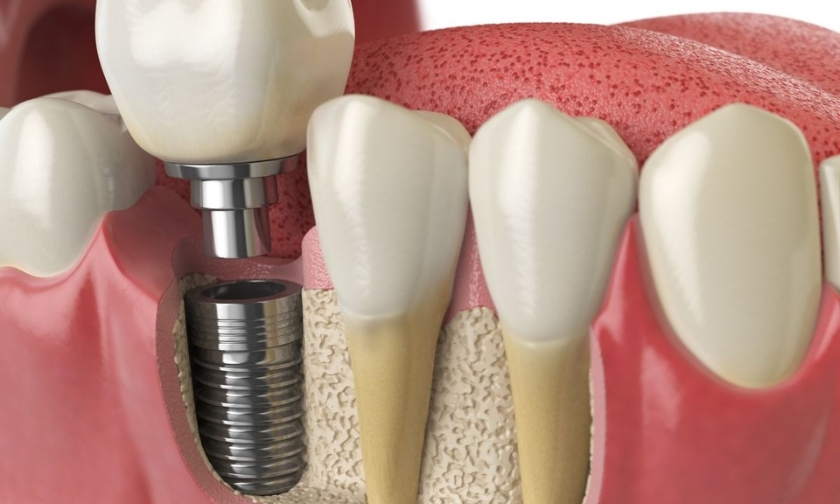
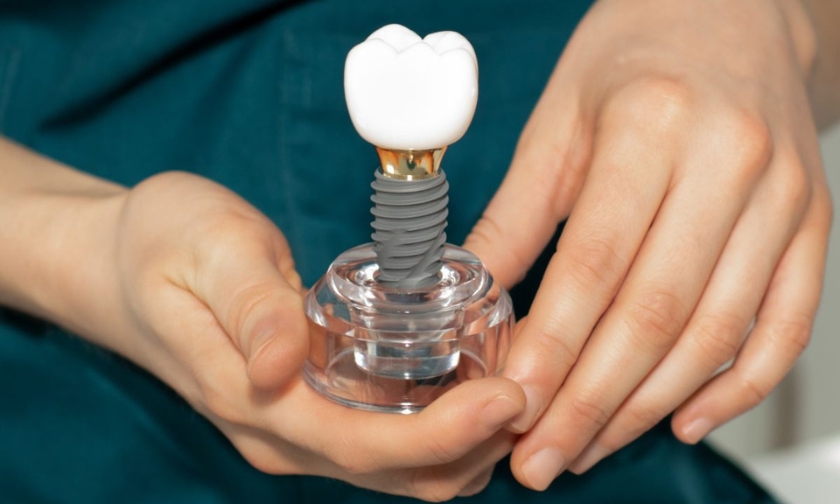
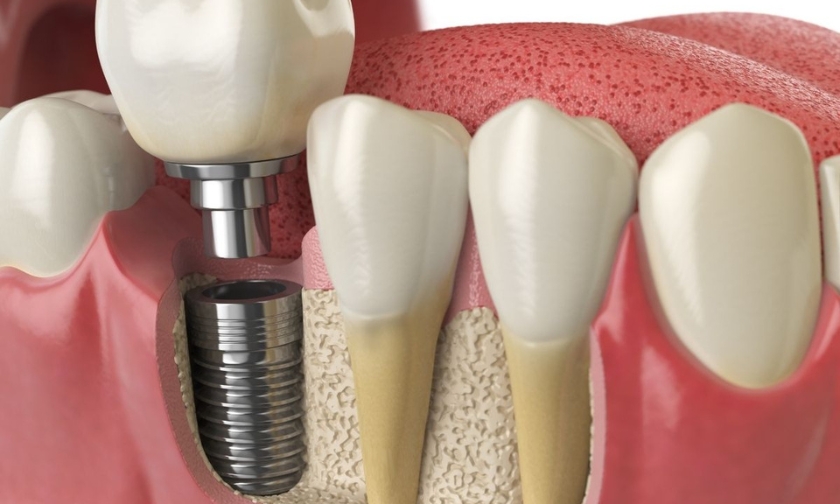
Unlike removable appliances, implant-supported restorations function similarly to natural tooth roots. Once placed into the jaw, the dental implants in Iowa City integrate with the surrounding bone through a process called osseointegration. This helps restore stimulation to the area and supports long-term bone preservation.
Patients throughout Iowa often choose this approach because it supports both appearance and function while helping maintain jaw structure.
Bone Grafting Procedures
When bone has already been lost, grafting procedures may help rebuild support. Bone graft material encourages the body to regenerate stronger tissue in weakened areas.
This approach is commonly recommended before restorative treatment when the jaw no longer has enough density for stable support.
Early Intervention And Digital Diagnostics
One of the most important steps is catching bone loss early. The Dental Lounge uses detailed digital imaging to evaluate jaw health before symptoms become severe.
Advanced scans help identify:
- Bone density changes
- Hidden infections
- Structural weaknesses
- Gum disease progression
Early diagnosis often leads to simpler and more predictable treatment.
Periodontal Treatment For Infection Control
Stopping gum disease remains critical for protecting jawbone health. Periodontal therapy helps control bacterial infection before additional bone destruction occurs. Managing inflammation early may significantly reduce long-term damage.
Can Jawbone Loss Be Reversed?
When Bone Can Be Rebuilt
In many cases, bone grafting and guided tissue regeneration procedures can help restore lost support. The body responds by rebuilding bone around weakened areas.
When The Goal Is Stabilization
Some patients already have advanced loss. In these situations, treatment may focus on slowing or stopping further deterioration rather than fully rebuilding the area.
Why Timing Matters
Earlier intervention almost always improves outcomes. Treating bone loss before major structural collapse develops often creates more predictable long-term stability.
Who Is Most At Risk For Bone Resorption?
Several groups face a higher risk, including:
- Adults missing one or more teeth
- Long-term denture wearers
- Patients with untreated gum disease
- Smokers
- Individuals delaying restorative treatment
- People with chronic oral infections
Patients who avoid routine exams may not realize bone loss has already started.
How To Protect Your Jawbone Long-Term
Protecting jaw health often comes down to consistency and early care:
- Replace missing teeth promptly
- Schedule regular dental cleanings and evaluations
- Treat gum disease before it progresses
- Avoid smoking and tobacco products
- Keep up with recommended imaging appointments
- Address loose teeth or bite changes quickly
- Maintain strong oral hygiene habits at home
- Avoid delaying treatment for cracked or infected teeth
Small preventive decisions today may help preserve bone structure for years.
Jawbone loss rarely announces itself early. It progresses quietly beneath the surface, often becoming noticeable only after facial changes, shifting teeth, or chewing problems appear. The good news is that modern dentistry can often slow, stabilize, or rebuild damaged bone when problems are identified early enough.
At The Dental Lounge, the focus goes beyond replacing teeth. The goal is to preserve long-term oral structure, comfort, and function through proactive care and advanced technology. Whether bone loss is just beginning or has already progressed, early evaluation may help prevent more complex complications later. Scheduling a consultation now could protect far more than your smile alone.
What People Ask
Can jawbone loss happen without pain?
Yes. Many people do not notice jawbone loss early because it often progresses silently without discomfort or obvious symptoms.
Does gum disease cause bone loss?
Yes. Advanced gum disease can damage the bone supporting the teeth, leading to looseness, shifting teeth, and eventual tooth loss if untreated.
Can dentures stop bone resorption?
Traditional dentures do not fully prevent bone loss because they sit on the gums instead of stimulating the jawbone like natural tooth roots.
What are common signs of jawbone shrinkage?
Sunken cheeks, loose teeth, bite changes, difficulty chewing, and dentures that no longer fit properly are common warning signs.
How can I protect my jawbone long-term?
Replacing missing teeth early, maintaining regular dental visits, treating gum disease promptly, and avoiding tobacco can help preserve jawbone health.