By The Dental Lounge | May 1, 2026
Dental health conversations today go far beyond brushing and flossing. More people are starting to understand how overall wellness affects healing, especially after procedures involving the jawbone. One topic gaining attention is Vitamin D and whether low levels could interfere with implant recovery.
Patients often hear conflicting information online. Some wonder if poor nutrition alone can cause implant problems. Others worry because they have already been told they are low in Vitamin D. The truth is more nuanced. Successful healing depends on several factors working together, including bone quality, oral hygiene, immune response, and lifestyle habits.
Because proper bone fusion is critical for dental implants, Vitamin D has become part of many pre-treatment discussions. At The Dental Lounge, patients throughout the greater Des Moines area often ask how nutrition may affect long-term implant stability. Understanding the connection can help patients make informed decisions before and after treatment.
What Happens During Dental Implant Healing?
Understanding Osseointegration
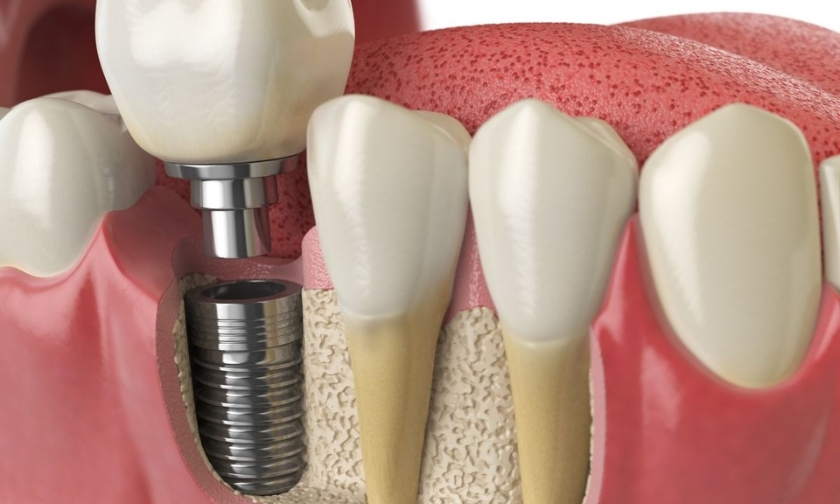
After an implant is placed into the jawbone, the body begins a process called osseointegration. During this stage, the bone gradually bonds around the titanium post, creating a secure foundation for the replacement tooth. This process is what allows implants to function much like natural teeth.
Strong bone support matters because the implant depends on stability. If the surrounding bone does not heal properly, the implant may struggle to stay firmly anchored. Healing is not immediate either. Even when discomfort fades quickly, bone remodeling can continue for several months.
Why Healing Is Different for Every Patient
No two patients heal the same way. Age, smoking habits, oral hygiene, diabetes, medications, and bone density all influence recovery speed. Nutrition also plays a role because the body needs the right balance of vitamins and minerals to rebuild tissue efficiently.
Vitamin D is one piece of a much larger picture. A patient with healthy Vitamin D levels may still experience complications if they smoke heavily or neglect oral care. Likewise, someone with low Vitamin D may still heal successfully with proper monitoring and treatment planning. That is why dentists evaluate overall health rather than focusing on one single factor alone.
Around Iowa, long winters and limited sunlight exposure can also affect Vitamin D levels more than many people realize. Patients who spend most of their time indoors may never notice symptoms until bloodwork reveals a deficiency.
What Does Vitamin D Actually Do for Oral Health?
Vitamin D and Bone Strength
Vitamin D helps the body absorb calcium efficiently. Without enough Vitamin D, calcium absorption becomes less effective, which can weaken bones over time. Since the jawbone supports dental implants in Iowa City, maintaining healthy bone density is essential.
The jaw constantly responds to pressure from chewing and biting. Healthy bone tissue allows the implant to remain stable under everyday function. If bone quality is compromised, the implant may face greater stress during healing.
Its Role in Healing and Immune Response
Vitamin D also supports tissue repair and immune regulation. After implant surgery, the body enters an active healing phase involving inflammation control and cellular rebuilding. A proper immune response helps protect the surgical area from complications.
Inflammation itself is not always harmful. Controlled inflammation is part of normal healing. Problems arise when inflammation becomes prolonged or excessive. Researchers continue studying whether Vitamin D deficiencies may contribute to delayed healing responses in some patients.
Why Dentists Sometimes Discuss Vitamin Levels Before Implant Treatment
Many people have low Vitamin D without obvious symptoms. Fatigue, muscle weakness, or bone discomfort may develop gradually and often go unnoticed. Because of this, dentists sometimes review nutritional history alongside medical conditions before surgery.
Patients with osteoporosis, digestive disorders, or previous bone healing concerns may benefit from additional evaluation. In some cases, physicians may recommend bloodwork or supplements before extensive oral surgery. The goal is not to alarm patients but to create the strongest possible healing environment.
Can Vitamin D Deficiency Increase the Risk of Implant Failure?
What Current Research Suggests
Research has explored possible links between Vitamin D deficiency and delayed implant healing. Some studies suggest lower Vitamin D levels could contribute to slower bone integration or higher complication rates. However, the evidence is still evolving.
Importantly, Vitamin D deficiency alone does not automatically cause implant failure. Many successful implant cases involve patients with mild deficiencies that were addressed during treatment planning.
How Poor Bone Healing Can Affect Implant Stability
If the bone does not integrate fully around the implant, stability may become compromised. This can lead to inflammation, discomfort, or delayed healing. In difficult situations, the implant may loosen before complete integration occurs.
Bone healing problems can also increase sensitivity around the implant area. Some patients notice pressure while chewing or feel that the implant never fully “settles” comfortably.
The Difference Between Early Failure and Late Failure
Early Implant Failure
Early failure happens during the healing phase. It often involves poor integration between the implant and the surrounding bone. Infection, smoking, uncontrolled diabetes, and poor bone quality may contribute.
Late Implant Failure
Late failure develops after the implant has already integrated successfully. Gum disease, excessive bite pressure, or years of poor maintenance are more common causes. Vitamin D is rarely considered the sole reason for late complications.
Signs Something May Not Be Healing Properly
Some soreness after surgery is completely normal. Mild swelling and tenderness usually improve steadily during the first several days. Persistent pain that worsens instead of improving deserves attention.
Implants should also feel stable as healing progresses. Any noticeable movement or looseness should be evaluated promptly. Gum changes such as bleeding, redness, pus, or gum recession may indicate inflammation around the implant site.
Chewing discomfort can also signal integration issues. If biting pressure feels uneven or sensitive long after placement, the surrounding bone and tissues may need closer examination.
Early evaluation matters because small problems are easier to manage before major bone loss develops. Many patients in Ankeny and nearby communities wait too long because they assume discomfort is “part of healing.” Timely follow-ups often make a major difference in preserving long-term stability.
Who May Be More Likely to Have Low Vitamin D?
Several groups face higher risks for Vitamin D deficiency. People who spend most of their time indoors often receive limited sunlight exposure, especially during Iowa winters. Sunscreen use and colder weather can reduce natural Vitamin D production even further.
Certain medical conditions may also interfere with absorption. Osteoporosis, digestive disorders, and kidney disease can affect how the body processes nutrients. Older adults may experience reduced absorption naturally with age.
Diet matters too. Patients who consume limited dairy, fatty fish, or fortified foods may not get enough Vitamin D consistently. Because symptoms are often subtle, many people remain unaware of low levels until medical testing is performed.
How Dentists Help Reduce Implant Complications
Successful treatment starts with careful planning. Dentists evaluate bone structure through imaging and review the patient’s medical history thoroughly before surgery.
Risk factors such as smoking, uncontrolled diabetes, medications, and nutritional deficiencies are also discussed beforehand. In some situations, dentists may coordinate with a physician if additional medical evaluation is necessary.
Long-term maintenance remains equally important. Professional cleanings and routine monitoring help identify inflammation or bone changes early. Patients who remain consistent with follow-up visits generally experience better long-term outcomes.
Ways Patients Can Support Better Implant Healing
Patients play a major role in healing success. Excellent oral hygiene helps reduce harmful bacteria around the surgical site. Gentle brushing, flossing, and professional cleanings remain essential throughout recovery.
Following the post-procedure instructions carefully also matters. Soft food recommendations and temporary activity restrictions protect the healing area during early recovery.
Nutrition supports healing as well. Calcium, protein, and Vitamin D-rich foods can help maintain bone health. Avoiding smoking is especially important because tobacco reduces blood flow and slows tissue repair significantly.
Attending follow-up appointments allows the dental team to monitor healing closely and address concerns before they progress.
When Should You Speak With Your Dentist?
Patients with osteoporosis, previous bone loss, or nutritional concerns should discuss their health history before implant treatment begins. These conversations help create safer and more personalized treatment plans.
During recovery, unusual swelling, prolonged pain, or delayed healing should never be ignored. Even years after placement, regular evaluations remain important because implants still require long-term maintenance and monitoring.
Residents across Ankeny, Johnston, and the greater Des Moines area often assume dental implants in Iowa City are maintenance-free once completed. In reality, consistent care remains one of the biggest factors in protecting long-term success.
Vitamin D plays an important role in bone health and healing, but it is rarely the only factor behind implant complications. Healing outcomes depend on overall health, oral hygiene, lifestyle habits, treatment planning, and ongoing maintenance working together.
The good news is that many risks can be identified early with proper evaluation and monitoring. Healthy habits, regular dental visits, and timely follow-ups all contribute to stronger long-term stability.
If you have concerns about healing, bone health, or implant stability, scheduling an evaluation can provide clarity and reassurance. The team at The Dental Lounge can help patients better understand their oral health and create a personalized plan designed to support lasting results.
People Also Ask
What are the signs that an implant may not be healing properly?
Persistent swelling, pain, gum redness, bleeding, or implant movement should be evaluated by a dental professional promptly.
How long does implant healing usually take?
Most patients heal over several months. While discomfort improves quickly, complete bone integration takes longer.
Can supplements improve implant recovery?
Supplements may help patients with deficiencies, but they should only be taken under guidance from a healthcare provider.
Are older adults more likely to have low Vitamin D?
Yes. Aging can reduce the body’s ability to absorb and process Vitamin D effectively.
Does smoking increase implant complications?
Yes. Smoking reduces blood flow, delays healing, and increases the risk of inflammation around the implant area.
Related Articles