
By The Dental Lounge | March 17, 2026
Gum disease is one of the most common dental health issues that can severely impact your overall well-being. Left untreated, it can lead to tooth loss and other health problems, making prevention essential.
Dr. Shaan Desai, a trusted dental professional at The Dental Lounge, shares his expert insights on how you can take proactive steps to protect your gums. His approach emphasizes the importance of daily oral care routines, professional checkups, and lifestyle choices that support gum health.
Let’s dive into the tips that will help you keep your gums in top shape and avoid the consequences of gum disease.
What is Gum Disease?
Gum disease, also known as periodontal disease, refers to the infection of the tissues that surround and support your teeth. It begins with gingivitis, the earliest stage, which is marked by inflammation of the gums due to plaque buildup.
If left untreated, gingivitis can progress to periodontitis, a more severe form of gum disease that can lead to tooth loss and other serious health issues.
Symptoms of Gum Disease:
- Red, swollen gums: Healthy gums should appear firm and pale pink. When they become swollen and inflamed, it’s a sign of gum disease.
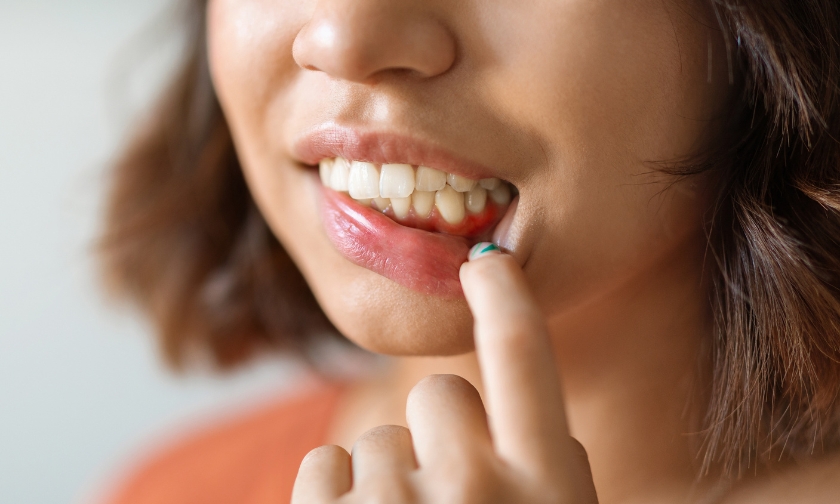
- Bleeding gums: Gums that bleed when you brush or floss are often a sign of gingivitis, the earliest stage of gum disease.
- Bad breath: Persistent bad breath or a bad taste in the mouth may indicate gum infection caused by bacteria.
- Loose teeth: In advanced stages, gum disease can weaken the tooth-supporting structures, causing teeth to become loose or shift.
Ignoring gum disease can lead to the loss of teeth, painful infections, and even other systemic conditions, including heart disease and diabetes. That’s why prevention and early intervention from a dentist near you in Iowa City are key.
Top Tips for Preventing Gum Disease
Dr. Shaan Desai emphasizes a multi-faceted approach to gum disease prevention, focusing on both home care and professional dental visits. Here are his top tips to keep your gums healthy:
Tip #1: Brush Regularly and Properly
Brushing your teeth twice a day is one of the simplest and most effective ways to prevent gum disease. However, it’s not just about brushing. It’s about brushing the right way.
- Use fluoride toothpaste: Fluoride helps protect your teeth against cavities, a key factor in preventing gum disease.
- Choose a soft-bristled toothbrush: Hard-bristled brushes can be abrasive and may cause damage to your gums. Opt for soft bristles to gently clean without causing irritation.
- Brush for at least two minutes: Take your time to ensure you brush all surfaces of your teeth and gums.
- Proper brushing technique: Hold your brush at a 45-degree angle to your gums and use gentle, circular motions. Avoid aggressive brushing, which can cause gum recession and enamel wear.
By consistently removing plaque with proper brushing, you can significantly reduce the risk of gum disease.
Tip #2: Floss Daily
Flossing is essential for removing food particles and plaque from between your teeth, places where a toothbrush can’t reach. While brushing removes plaque from the surface, flossing tackles the areas between your teeth and along the gumline.
- How to floss correctly: Gently slide the floss between your teeth, forming a C-shape around each tooth and moving it up and down to remove debris. Avoid snapping the floss, as this can hurt your gums.
- Benefits of flossing: Regular flossing helps reduce plaque buildup, which prevents gum disease, tooth decay, and bad breath.
Dr. Desai recommends incorporating flossing into your daily routine for optimal gum health.
Tip #3: Use Mouthwash
Mouthwash is more than just a quick fix for fresh breath. It can also help prevent gum disease.
- Benefits of antimicrobial mouthwash: Antimicrobial mouthwashes can kill bacteria that cause plaque and gum inflammation, helping to prevent gum disease.
- Fluoride mouthwash: Fluoride rinses help strengthen enamel and protect against cavities, contributing to overall gum health.
Mouthwash is a great addition to your daily oral hygiene routine, but should not replace brushing or flossing. Instead, use it as a complement to your regular dental care.
Tip #4: Regular Dental Check-ups
Routine visits to The Dental Lounge are essential for maintaining healthy gums. While at-home care is crucial, professional cleanings are necessary to remove tartar that can’t be eliminated through brushing and flossing alone.
- Why check-ups matter: Regular check-ups help detect early signs of gum disease before they develop into more serious conditions. The dental team can also perform thorough cleanings to remove tartar and plaque buildup.
- Early intervention: The earlier gum disease is caught, the easier it is to treat. Dr. Desai and his team provide comprehensive exams and personalized treatment plans tailored to your needs.
Dr. Desai recommends scheduling a dental check-up at least twice a year to keep your gums and teeth in the best possible condition.
Tip #5: Quit Smoking
Smoking is a major risk factor for gum disease. It weakens your immune system, making it harder for your body to fight off infections, including those that affect your gums.
- Smoking and gum disease: Smokers are more likely to develop gum disease, and the condition tends to progress more quickly than in non-smokers.
- The benefits of quitting: Quitting smoking improves blood flow to your gums, helping them heal and recover. It also reduces your risk of gum infections and improves overall oral health.
If you’re a smoker, Dr. Desai, a professional and reputed dentist near you in Iowa City strongly encourages you to quit for the sake of your gums and your general health.
Tip #6: Eat a Balanced Diet
A healthy diet plays an important role in preventing gum disease. Nutrients like vitamin C, calcium, and antioxidants help maintain healthy gums and teeth.
- Vitamin C: Essential for gum health, vitamin C helps maintain the integrity of gum tissue and reduces inflammation.
- Foods to include: Incorporate foods like fruits, vegetables, and leafy greens, which are rich in vitamins and minerals that support your gum health. Dairy products and foods high in calcium help strengthen teeth and bones.
- Foods to avoid: Limit sugary foods and drinks that promote plaque buildup, which leads to gum disease.
Dr. Desai advises eating a balanced diet for both oral health and overall well-being.
The Importance of Early Detection and Treatment
Gum disease doesn’t always present noticeable symptoms until it’s in an advanced stage, making early detection crucial. Dr. Desai’s approach to gum disease treatment focuses on prevention and early intervention to stop the disease before it causes irreversible damage.
- Detecting gum disease early: During routine exams, Dr. Desai checks for early signs of gum disease, such as bleeding gums or pockets forming between your teeth and gums. If caught early, gum disease can often be reversed with professional cleaning and better at-home care.
- Dr. Desai’s treatment approach: If gum disease is more advanced, Dr. Desai offers treatments like scaling and root planing to remove tartar and bacteria below the gumline, and in severe cases, surgical options may be necessary.
By visiting The Dental Lounge regularly and following Dr. Desai’s tips, you can avoid the complications of advanced gum disease and keep your smile healthy for years to come.
Preventing gum disease is a lifelong commitment that requires consistent care and attention. By following the professional tips from Dr. Shaan Desai, you can ensure that your gums remain healthy and your smile stays bright. Regular brushing, flossing, professional cleanings, and healthy lifestyle choices all contribute to strong, healthy gums.
If you’re due for a check-up or need personalized advice on gum disease prevention, contact The Dental Lounge today to schedule an appointment. Our team is here to help you maintain a healthy smile for a lifetime!
What People Want to Know
How often should I visit the dentist to prevent gum disease?
It’s recommended to visit your dentist at least twice a year for check-ups and cleanings to catch any signs of gum disease early.
Does smoking increase the risk of gum disease?
Yes, smoking weakens the immune system and makes it harder for your gums to heal, increasing the risk of gum disease.
Can gum disease be reversed?
In its early stages, gum disease (gingivitis) can be reversed with proper oral care. Advanced stages may require more intensive treatment.
What should I do if my gums bleed when I brush?
If your gums bleed when brushing, it could be a sign of gingivitis. Make sure to brush and floss gently and schedule a dentist visit for evaluation.
How does diet affect gum health?
A healthy diet with vitamin C, calcium, and antioxidants supports gum health, while sugary foods can contribute to plaque buildup and gum disease.
Related Articles