By The Dental Lounge | June 22, 2026
If you are planning dental implants near University Heights, understanding the recovery process is essential. Knowing what to expect during dental implant recovery — a complete timeline University Heights patients can follow — helps reduce anxiety and speeds healing. Recovery looks different for everyone, but the general phases are predictable. Our dental team at The Dental Lounge is here to walk you through every step.
The First 24–72 Hours After Implant Placement
The first three days are the most critical part of your recovery. Your body begins forming a clot around the implant site right away. Protecting that clot is your top priority during this window.
Expect some swelling, mild bruising, and discomfort during this phase. These are completely normal responses to oral surgery. Most patients manage pain well with over-the-counter medications as directed by their dentist.
Here are the most important things to do in the first 72 hours:
- Apply an ice pack to your cheek in 20-minute intervals
- Rest and avoid any strenuous physical activity
- Keep your head elevated, even while sleeping
- Avoid rinsing, spitting, or using a straw forcefully
- Take any prescribed medications exactly as directed
Bleeding may occur lightly during the first day. Bite gently on gauze if needed. Call our team immediately if bleeding feels excessive or does not slow down.
What to Eat During Dental Implant Recovery in University Heights
Your diet plays a huge role in how quickly you heal. Hard, crunchy, or chewy foods can disturb the implant site and delay recovery. Sticking to soft foods is a simple but powerful way to protect your investment.
During the first week, focus on foods that require little to no chewing. Think yogurt, mashed potatoes, scrambled eggs, smoothies, and soup. Avoid anything that is too hot, as heat can increase swelling and sensitivity.
After the first week, you can gradually reintroduce softer solid foods. Listen to your body and pay attention to any discomfort. Do not rush back to your normal diet too quickly.
Foods to avoid throughout early recovery include:
- Popcorn, chips, and hard crackers
- Sticky candies or chewy meats
- Seeds that can lodge in the surgical site
- Carbonated beverages and alcohol
- Very hot or very cold foods and drinks
Weeks One Through Four: The Osseointegration Phase
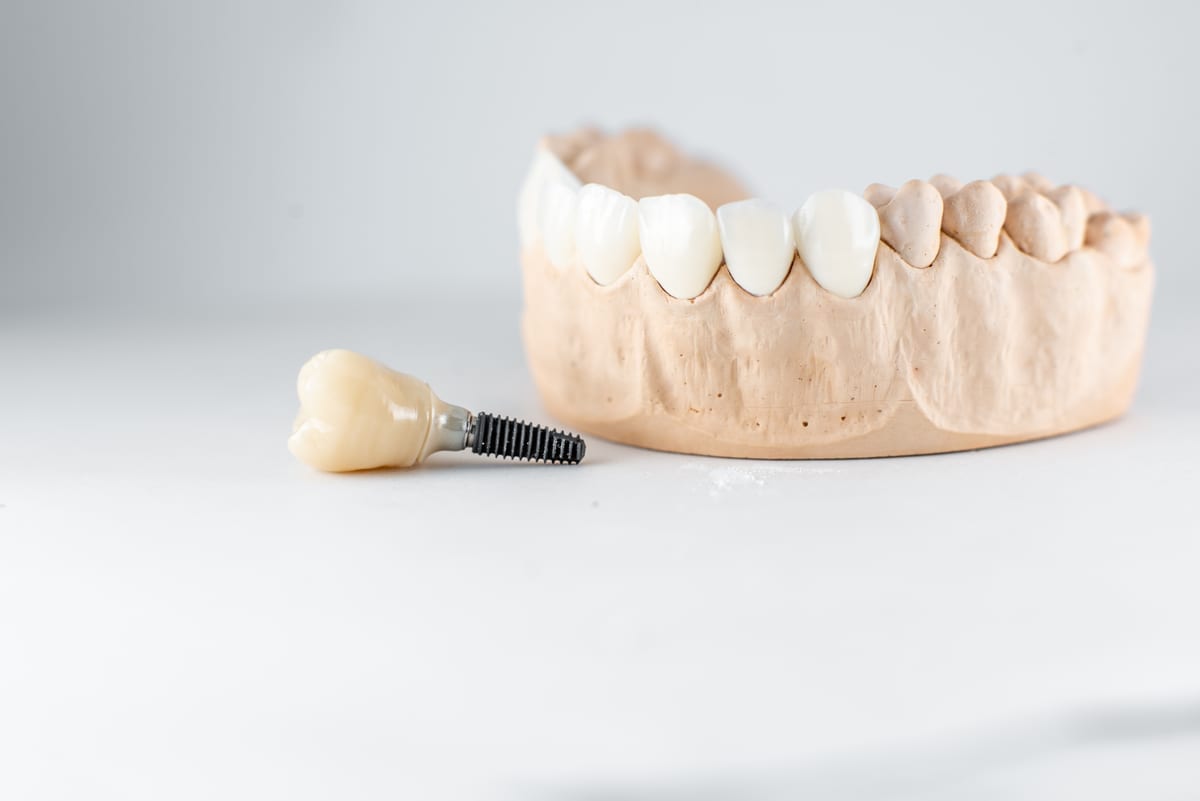
After the first few days, your focus shifts to supporting a process called osseointegration. This is when the titanium implant post fuses with your jawbone. It is the foundation of a successful implant, and it takes time.
Swelling and soreness will gradually decrease throughout the first two weeks. Most patients feel close to normal by the end of week two. However, the implant is still actively bonding with the bone beneath the surface.
During this phase, maintain excellent oral hygiene around the implant site. Brush gently with a soft-bristled toothbrush. Your dentist may recommend a special rinse to keep the area clean without disturbing healing tissue.
Full osseointegration typically takes three to six months. Your dental team will monitor progress at scheduled follow-up visits. Do not skip these appointments — they are critical checkpoints in your recovery.
Long-Term Care After Your Implant Heals
Once your implant has fully integrated, the focus turns to long-term maintenance. Dental implants can last decades with proper care. Treating your implant like a natural tooth is the best approach.
Brush twice daily and floss around the implant carefully. Plaque buildup around implants can cause peri-implantitis, which is a serious infection of the surrounding tissue. Prevention is far easier than treatment.
Regular dental cleanings at The Dental Lounge are essential. Professional cleaning reaches areas your toothbrush misses. Routine visits also allow our team to monitor the implant, surrounding gums, and jawbone health over time.
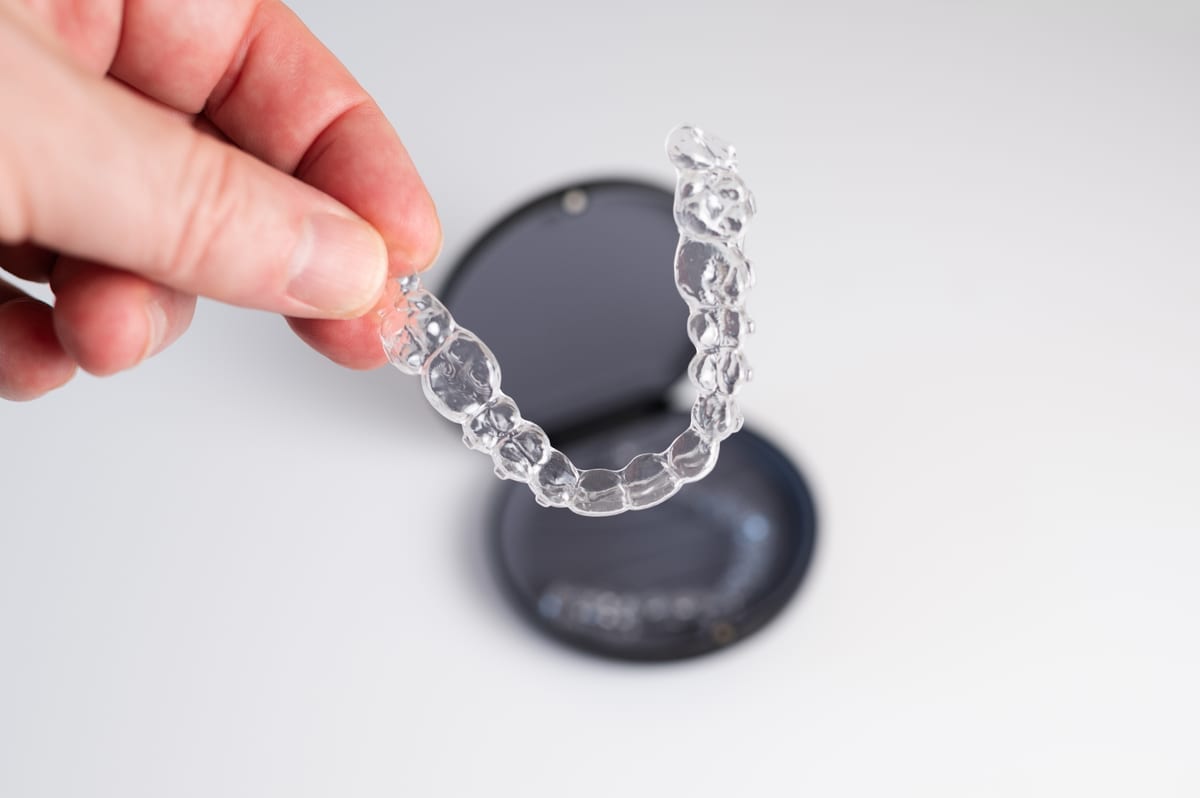
If you grind your teeth at night, ask our team about a Night Guard. Grinding places excessive force on implants and can compromise the implant or crown over time. Protecting your investment with a custom guard is a smart, simple step.
Also consider that implants support overall oral health. They prevent bone loss and keep neighboring teeth properly aligned. Staying on top of your Periodontal Treatment needs ensures the gum tissue around your implant stays healthy for years to come.
When to Seek Help During Recovery
Most implant recoveries go smoothly, but complications can arise. Knowing the warning signs helps you act quickly and protect your results. Do not ignore symptoms that feel unusual or are getting worse instead of better.
Contact our team right away if you notice any of the following:
- Increasing pain after the first few days instead of improving
- Persistent swelling that does not reduce after one week
- Fever or chills that suggest possible infection
- The implant feels loose or shifts when touched
- Numbness that does not resolve within a few days
For urgent concerns, our Emergency Dentistry services are available to address post-surgical complications quickly. Acting fast when something feels wrong can mean the difference between a minor issue and a major setback.
Some patients also benefit from gum-related cosmetic refinements after full healing. Our team offers Cosmetic Gum Shaping to perfect the appearance of your smile once your implant has fully integrated. It is a finishing touch that many patients love.
Your Implant Recovery Starts With the Right Team
Understanding what to expect during dental implant recovery — a complete timeline University Heights patients trust — makes the entire process less stressful. Recovery has clear phases, and each one moves you closer to a fully functional, beautiful smile. Our dental team at The Dental Lounge is dedicated to guiding you through every stage with personalized, attentive care.
We serve patients throughout University Heights and the greater Iowa City area. We believe informed patients heal better and feel more confident throughout treatment. Book Now to schedule your appointment with our team.
Frequently Asked Questions
How long does dental implant recovery typically take?
Full recovery, including osseointegration, usually takes three to six months. Most patients feel comfortable within two weeks after placement. The total timeline depends on bone density, overall health, and how well post-operative instructions are followed.
Is dental implant recovery painful?
Mild to moderate discomfort is normal during the first few days. Over-the-counter pain relievers typically manage it well. If pain increases after day three instead of improving, contact your dental team right away.
Can I go back to work after getting a dental implant?
Many patients return to desk jobs the day after their procedure. Those with physically demanding jobs may need two to three days off. Always follow your dentist’s specific guidance based on your individual case.
What foods should I avoid after dental implant surgery?
Avoid hard, crunchy, sticky, or chewy foods for at least the first week. Hot beverages and alcohol should also be avoided early in recovery. Soft foods like yogurt, mashed potatoes, and smoothies are ideal choices.
How do I keep my dental implant clean during recovery?
Brush gently with a soft-bristled toothbrush twice daily. Your dentist may recommend a special antimicrobial rinse for the first week or two. Avoid aggressive rinsing or spitting, especially in the first 24 to 48 hours after surgery.