By The Dental Lounge | June 8, 2026
Understanding what to expect during dental implant recovery is one of the most important steps toward a smooth healing journey. Many Iowa City patients feel anxious after implant placement — and that’s completely normal. Knowing your complete timeline helps reduce worry and set realistic expectations. Our dental team at The Dental Lounge is here to walk you through every phase of recovery.
Your Dental Implant Recovery Timeline in Iowa City
Recovery after dental implant surgery unfolds in predictable stages. Most patients experience the most discomfort during the first three days. After that, swelling and soreness gradually improve each day. Here’s a general breakdown of what to expect week by week.
- Days 1–3: Swelling, mild bleeding, and soreness are most intense. Rest as much as possible and apply ice packs in 20-minute intervals.
- Days 4–7: Swelling begins to decrease. Most patients manage discomfort with over-the-counter pain relievers by day four.
- Weeks 2–4: Gum tissue heals noticeably. You can gradually return to normal activities and soft foods.
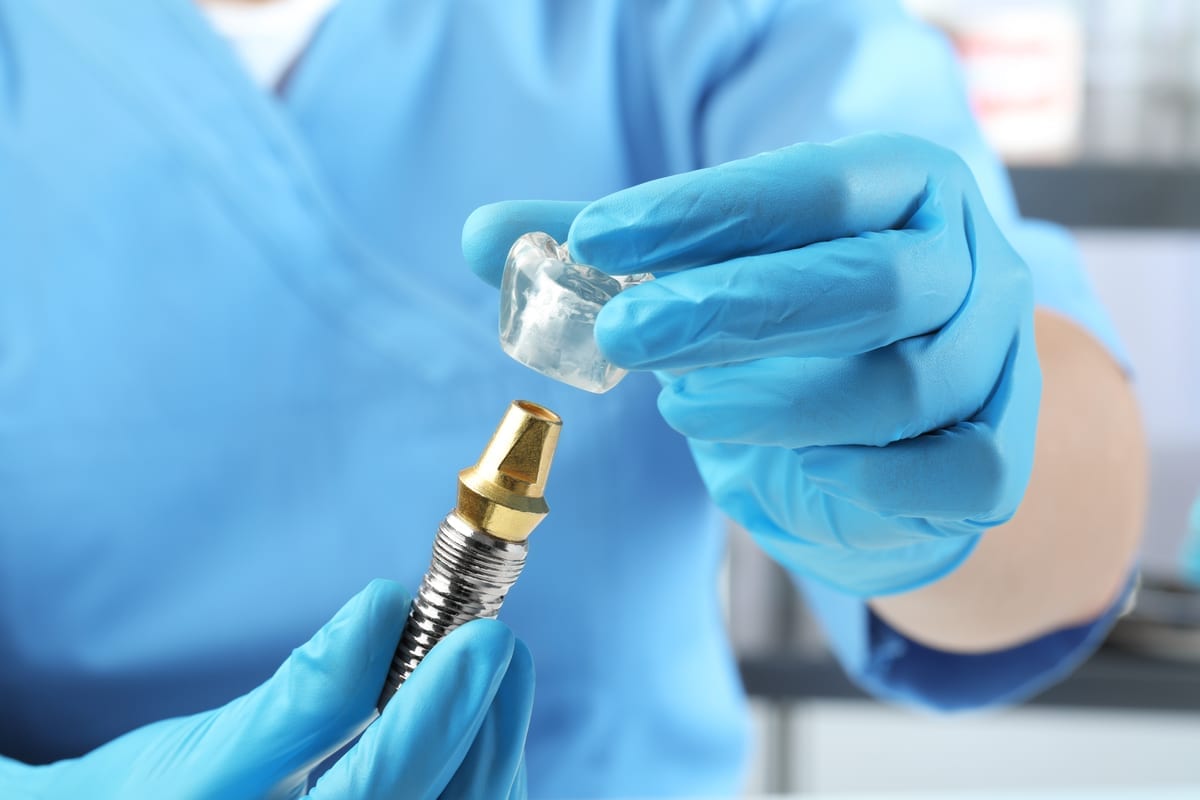
- Months 2–6: Osseointegration occurs — this is when the implant fuses with your jawbone. This phase is critical for long-term success.
- Month 6 and beyond: Your permanent crown is placed once the implant is fully stable.
Everyone heals at a slightly different pace. Factors like overall health, bone density, and oral hygiene habits all play a role. Our team monitors your progress closely at each follow-up visit.
What to Eat During Implant Recovery: A Practical Guide
Diet plays a major role in how quickly you heal after implant surgery. Eating the wrong foods too soon can disturb the implant site. Stick to soft, nutrient-rich foods during the early weeks of recovery.
For the first 24 to 48 hours, cold foods like yogurt and smoothies are ideal. Cold temperatures help reduce swelling naturally. Avoid anything hot, spicy, or crunchy during this window.
- Scrambled eggs and mashed potatoes
- Applesauce and soft fruits like bananas
- Oatmeal and cream of wheat
- Smoothies made without seeds or chunks
- Soup broths — lukewarm, not hot
- Soft fish and well-cooked pasta
By week two, most patients can introduce more variety. Focus on protein-rich foods to support tissue healing. Continue avoiding hard, crunchy, or sticky foods until your dentist clears you. Good nutrition genuinely speeds up recovery.
Managing Pain and Swelling After Implant Placement
Some degree of discomfort after implant surgery is completely normal. Your body is healing from a minor surgical procedure. The good news is that most patients find the pain very manageable with the right approach.
Over-the-counter anti-inflammatory medications like ibuprofen work well for most people. Take them on schedule — don’t wait until pain becomes severe. Your dentist may also prescribe a short course of antibiotics to prevent infection.
Ice packs are your best friend during the first 24 to 48 hours. Apply them to the outside of your cheek in 20-minute cycles. After 48 hours, switch to warm compresses to promote blood flow and continued healing.
Watch for warning signs that go beyond normal recovery. Severe, worsening pain after day three may indicate a problem. Fever, unusual swelling, or foul taste should be reported to our team immediately. In urgent situations, our Emergency Dentistry services are available to Iowa City patients who need prompt care.
Long-Term Care Tips to Protect Your Dental Implant
Dental implants can last a lifetime with the right care. Long-term success depends heavily on your daily habits at home. Think of your implant like a natural tooth — it needs consistent attention.
Brush twice daily using a soft-bristled toothbrush. Floss around the implant post carefully every day. Your dentist may recommend a water flosser for easier cleaning around the implant site.
Regular dental cleanings at The Dental Lounge are essential. Professional cleanings remove buildup that brushing alone can’t address. We recommend visiting every six months or as directed by your care team.
If you grind your teeth at night, protecting your implant is especially important. Grinding places enormous pressure on implant crowns over time. A custom night guard can shield your implant from this stress. Additionally, healthy gum tissue around your implant matters greatly — our team can also discuss options like Cosmetic Gum Shaping if the tissue around your implant needs refinement. Avoid smoking, as it significantly increases the risk of implant failure.
When to Call Our Iowa City Dental Team
Knowing when to reach out during recovery gives you peace of mind. Most side effects are temporary and resolve within a week. But some symptoms require professional attention right away.
Contact our team if you experience any of the following:
- Bleeding that doesn’t stop after 30 minutes of gentle pressure
- Swelling that gets worse after day three instead of improving
- Fever above 101°F
- The implant feels loose or shifts position
- Persistent numbness beyond the first few hours
Early intervention prevents small issues from becoming bigger problems. Our Iowa City team is always happy to answer your questions. You should never feel like you’re overreacting by calling us.
Conclusion: Heal with Confidence in Iowa City
Dental implant recovery is a journey — but it’s one you don’t have to take alone. With the right timeline knowledge, proper diet, and careful home care, most patients heal smoothly and comfortably. Our dental team at The Dental Lounge in Iowa City is committed to supporting you every step of the way. Book Now to schedule your appointment with our team.
Frequently Asked Questions
How long does dental implant recovery typically take?
Initial healing of the gum tissue takes about two to four weeks. However, full osseointegration — the process of the implant fusing with the jawbone — can take three to six months. Your dentist will monitor your progress throughout this period before placing the final crown.
Is dental implant surgery painful?
Most patients are surprised by how manageable the discomfort is. The procedure is performed under local anesthesia, so you feel little during surgery. Post-operative soreness is usually controlled well with over-the-counter anti-inflammatory medications during the first few days.
What foods should I avoid after implant surgery?
Avoid hard, crunchy, chewy, or sticky foods during the early recovery period. Examples include nuts, chips, raw carrots, caramel, and tough meats. These foods can disturb the implant site and slow healing significantly.
Can I go back to work the day after my implant procedure?
Many patients return to desk jobs within one to two days after implant placement. However, if your work involves physical labor, you may need three to five days before returning. Always follow your dentist’s specific recommendations based on your procedure and health.
How do I keep my dental implant clean during recovery?
Gently rinse with warm salt water two to three times daily during the first week. Avoid vigorous rinsing or spitting, which can disrupt healing tissue. After the first week, you can resume gentle brushing around the implant site as directed by your dental team.