By The Dental Lounge | June 15, 2026
Understanding what to expect during dental implant recovery is one of the most common concerns we hear from patients in Iowa City. Recovery is a gradual process, but knowing each stage makes it far less stressful. This patient’s timeline will walk you through the first hours after placement all the way to your fully healed smile. Our dental team at The Dental Lounge is here to guide you every step of the way.
Your Dental Implant Recovery Timeline in Iowa City: Week by Week
Recovery from dental implants follows a predictable pattern for most patients. The first 72 hours are typically the most intense in terms of discomfort and swelling. After that, most people feel significantly better and return to light daily activities.
Here is what a typical recovery timeline looks like:
- Day 1–3: Expect swelling, mild bleeding, and soreness around the implant site.
- Day 4–7: Swelling begins to subside. Discomfort decreases noticeably with proper care.
- Week 2–4: Most patients return to normal routines. Soft foods are still recommended.
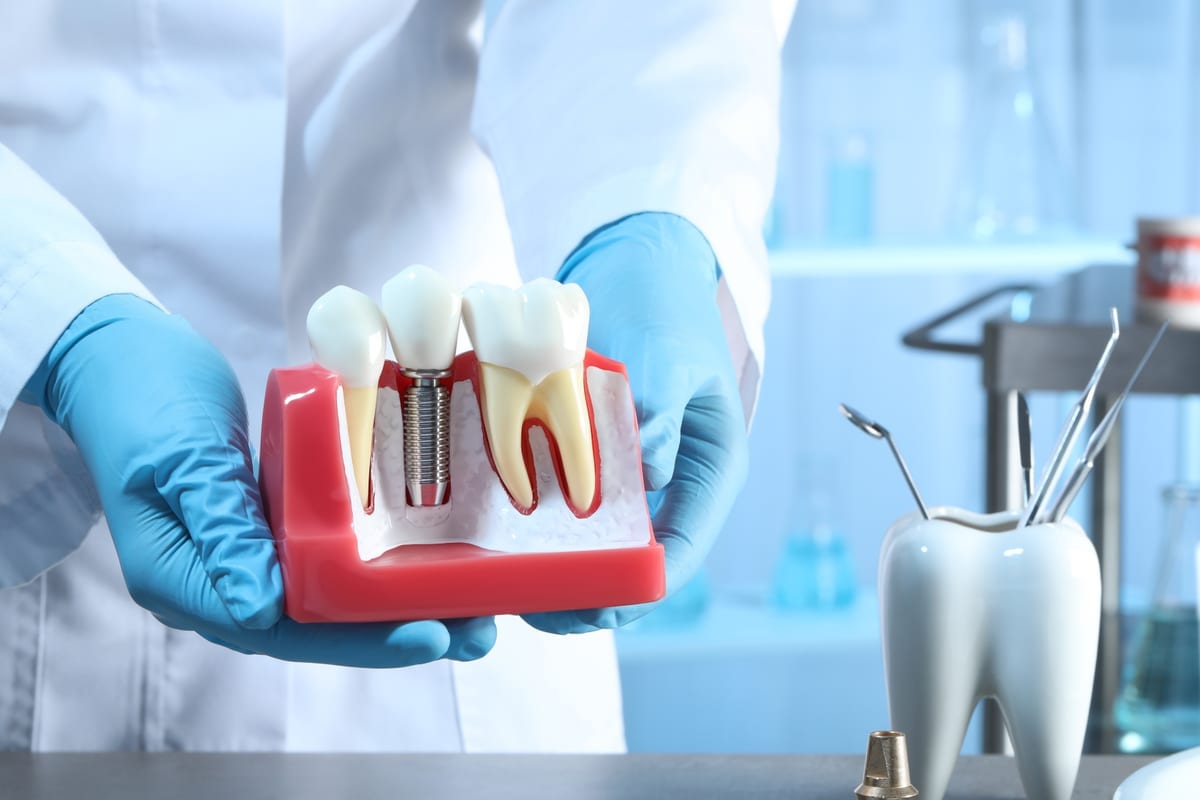
- Month 2–6: Osseointegration occurs — the implant fuses with your jawbone.
- Month 6+: Your dentist places the final crown once healing is confirmed.
This timeline can vary based on your overall health and the number of implants placed. Our team monitors your progress closely at every follow-up visit.
Managing Pain and Swelling After Implant Placement
Pain management is a top priority during dental implant recovery. Most patients describe the discomfort as mild to moderate — similar to a tooth extraction. Over-the-counter pain relievers like ibuprofen or acetaminophen are usually sufficient.
Applying an ice pack to the outside of your cheek helps reduce swelling significantly. Use it in 20-minute intervals during the first 24 to 48 hours. Avoid applying heat during this period, as it can worsen inflammation.
Here are key tips to keep discomfort manageable:
- Take prescribed or recommended pain medication on schedule, not just when pain spikes.
- Keep your head elevated when resting to reduce blood pooling at the surgical site.
- Avoid rinsing your mouth vigorously on day one to protect the clot.
- Gently rinse with warm salt water starting on day two.
- Avoid smoking or alcohol — both slow healing and increase complication risk.
If pain worsens significantly after day three, contact our office right away. Severe or escalating pain can sometimes signal an infection that needs prompt attention. Our Emergency Dentistry services are available when unexpected concerns arise.
What to Eat During Dental Implant Recovery
Your diet plays a crucial role in how smoothly your recovery goes. Hard, crunchy, or chewy foods can disturb the implant site and slow healing. Sticking to soft foods during the first few weeks protects your investment.
During the first week, focus on foods like scrambled eggs, yogurt, mashed potatoes, smoothies, and oatmeal. These are gentle on the surgical area and still provide solid nutrition. Avoid seeds, nuts, hard bread, and raw vegetables during early recovery.
By weeks two through four, most patients can gradually reintroduce softer cooked foods. Think pasta, fish, steamed vegetables, and soups. Always chew on the opposite side of the implant site when possible.
Good nutrition also supports osseointegration. Foods rich in calcium and vitamin D support bone health as the implant fuses with your jaw. Staying hydrated is equally important for tissue healing.
Long-Term Care Tips for Dental Implant Success in Iowa City
Dental implants can last a lifetime with proper care. Once fully healed, they function and feel just like natural teeth. Your daily habits directly influence how long your implant stays healthy and strong.
Brush your implant twice daily using a soft-bristled toothbrush. Floss around the implant carefully using implant-specific floss or an interdental brush. These tools reach the areas around the implant that a regular toothbrush misses.
Regular professional cleanings at The Dental Lounge are essential. Our hygienists use tools that clean around implants without causing damage. Routine checkups also allow our team to catch any early signs of implant complications.
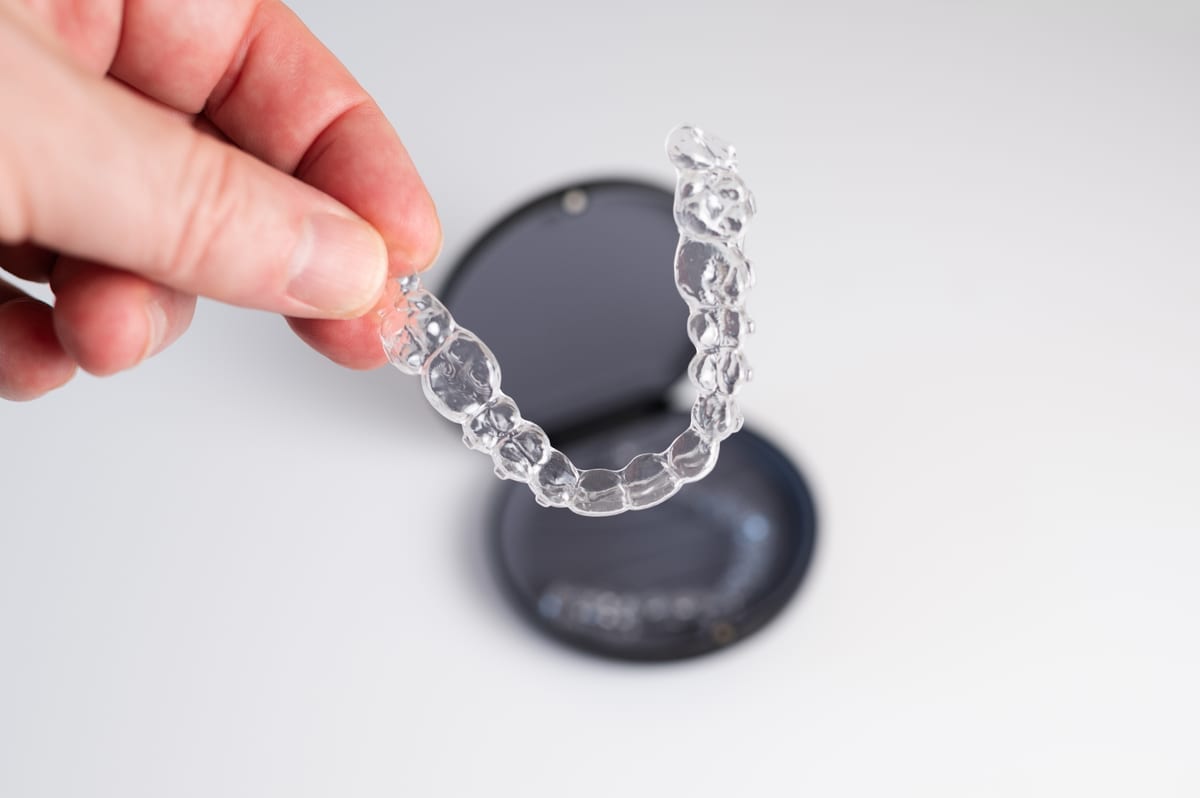
Protecting your implant from grinding is equally important. Many patients in Iowa City benefit from a custom night guard to prevent unconscious clenching during sleep. Some patients also consider Cosmetic Gum Shaping alongside their implant for the most natural-looking final result. Maintaining gum health around your implant is critical to its long-term success.
Signs You Should Call Your Dentist During Recovery
Most dental implant recoveries go smoothly, but knowing the warning signs is important. Early intervention prevents small issues from becoming serious complications. Trust your instincts — if something feels wrong, reach out to us.
Contact The Dental Lounge promptly if you notice any of the following:
- Pain that worsens after the third day instead of improving.
- Swelling that increases rather than decreases after 48 hours.
- Persistent bleeding that does not slow with gentle pressure.
- A bad taste or odor that develops at the implant site.
- The implant feeling loose or shifting in any way.
These symptoms do not always indicate a serious problem, but they deserve professional evaluation. Quick action protects your implant and gets you back on track faster.
Your Recovery Partner at The Dental Lounge in Iowa City
Recovering from dental implants does not have to feel overwhelming. With the right information and a trusted dental team by your side, the process is very manageable. Our team at The Dental Lounge in Iowa City is committed to making your implant journey as smooth as possible. Book Now to schedule your appointment with our team.
Frequently Asked Questions
How long does dental implant recovery typically take?
Most patients feel comfortable within one to two weeks after implant placement. Full osseointegration — where the implant fuses with the jawbone — takes three to six months. The final crown is typically placed after your dentist confirms complete healing.
Is dental implant recovery very painful?
Most patients report mild to moderate discomfort during the first few days. Over-the-counter pain relievers and ice packs manage discomfort effectively for most people. Pain should steadily decrease after the first 72 hours, not increase.
What foods should I avoid after getting a dental implant?
Avoid hard, crunchy, sticky, or chewy foods during the first several weeks of recovery. This includes raw carrots, nuts, hard bread, and chewy candy. Soft foods like yogurt, mashed potatoes, and scrambled eggs are ideal during early healing.
Can I brush my teeth normally after implant placement?
You should brush carefully around the implant site starting the day after surgery. Use a soft-bristled toothbrush and avoid scrubbing directly on the surgical area. Your dentist will provide specific instructions based on your individual procedure.
When should I call the dentist during my implant recovery?
Contact your dentist if you experience worsening pain after day three, increasing swelling after 48 hours, persistent bleeding, or a bad taste near the implant site. Early communication helps prevent minor concerns from developing into serious complications.