By The Dental Lounge | May 25, 2026
Oral Cancer Screening in Coralville: Comparing Your Detection Options
Oral cancer screening in Coralville offers multiple approaches to protect your health. Early detection saves lives, but many people wonder which screening method works best. Understanding your options helps you make informed decisions about your oral health care.
As the school year winds down in Coralville and families prepare for graduation ceremonies and summer activities, it’s an ideal time to prioritize preventive health measures. Oral cancer screening should be part of your regular dental care routine, regardless of which method you choose.
Let’s explore how different screening approaches compare. We’ll look at professional screenings, self-examinations, and mobile screening clinics. Each method has distinct advantages and limitations that affect your overall oral health protection.
Professional Oral Cancer Screening at Your Dental Office
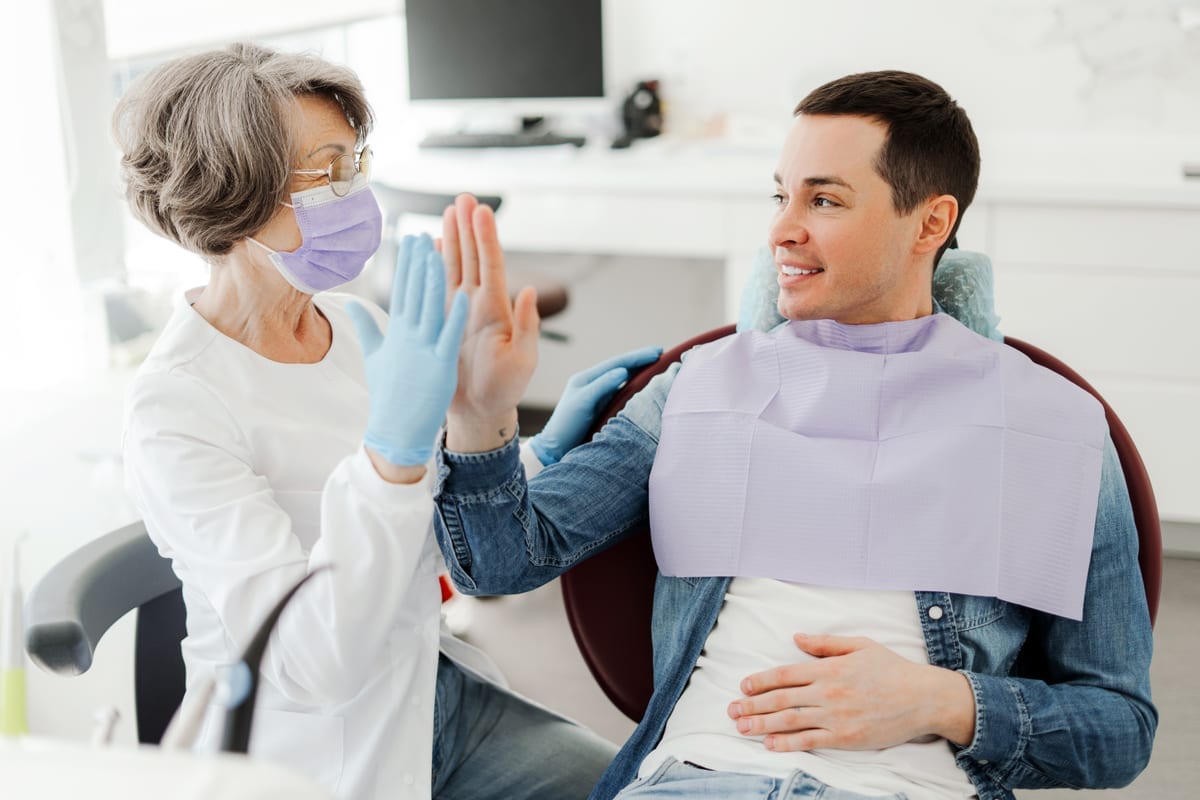
Professional oral cancer screening in Coralville represents the most comprehensive detection method available. Our dental team performs these screenings during your regular dental visits. We examine your entire mouth, throat, tongue, and neck for signs of abnormal tissue.
The process takes only a few minutes. We look for unusual lumps, color changes, or persistent sores. Advanced screening tools help identify changes invisible to the naked eye.
Many patients appreciate that professional screenings integrate seamlessly into their existing dental appointments. This timing makes them convenient, especially during the busy late spring season when families schedule dental cleanings before summer break begins.
Advantages of Professional Screening
- Trained professionals identify subtle abnormalities that patients often miss
- Access to specialized screening technologies including VELscope and tissue fluorescence
- Immediate expert interpretation of findings
- Complete oral and neck examination in one visit
- Documentation and tracking of changes over time
- Direct path to biopsy or specialist referral if needed
Limitations of Professional Screening
- Requires scheduling a dental appointment
- Dependent on regular dental visit frequency
- Not continuous monitoring between visits
- Some patients feel anxious about clinical settings
Self-Examination for Oral Cancer
Self-examination provides an alternative approach to oral cancer detection. You perform these checks at home using a mirror and good lighting. The American Cancer Society recommends monthly self-exams for adults.
During a self-exam, you inspect your lips, gums, tongue, cheeks, and throat. Look for white patches, red patches, sores lasting more than two weeks, or lumps. Check both sides of your tongue and the roof and floor of your mouth.
Self-examinations work best as a supplement to professional screenings rather than a replacement. They help you stay aware of normal changes in your mouth. This familiarity makes it easier to spot something unusual.
Advantages of Self-Examination
- Perform checks anytime without appointments
- Free and requires no special equipment
- Increases awareness of your oral health
- Convenient for busy schedules
- No travel required during Coralville’s cold winter months
Limitations of Self-Examination
- Limited ability to see all oral areas clearly
- Lack of training to identify subtle abnormalities
- Cannot access professional screening technologies
- Difficult to examine throat and back of tongue thoroughly
- Risk of missing early-stage lesions
- May cause unnecessary anxiety over normal variations
Mobile and Community Oral Cancer Screening Clinics
Mobile screening clinics offer another alternative for oral cancer detection. These events pop up at community centers, health fairs, and workplace wellness programs. Organizations bring dental professionals and equipment to convenient locations throughout the Iowa City and Coralville area.
Community screenings typically focus on underserved populations. They provide free or low-cost examinations. Volunteers perform basic visual inspections and provide education about oral cancer risk factors.
These clinics serve an important public health function. They reach people who might not visit a dental office regularly. However, they differ significantly from comprehensive professional screenings.
Advantages of Mobile Clinics
- Often free or very affordable
- Convenient locations in your community
- No appointment usually required
- Reduce barriers to basic screening access
- Provide valuable health education
Limitations of Mobile Clinics
- Limited screening depth compared to dental office visits
- Restricted access to advanced detection technologies
- No existing patient records for comparison
- Inconsistent follow-up protocols
- Infrequent availability throughout the year
- Variable screening quality depending on volunteer expertise
How to Choose the Right Screening Approach
Selecting the best oral cancer screening method depends on your individual circumstances. Your risk factors play a significant role in this decision. Consider your tobacco use, alcohol consumption, HPV exposure, and family history.
People with elevated risk factors need the most thorough screening available. Professional screenings offer the comprehensive examination these individuals require. High-risk patients should receive screenings at least annually, preferably during regular dental checkups.
Your access to dental care also influences your choice. If you already visit your dentist twice yearly, professional screenings make perfect sense. You’re already at the office, making it the most efficient option.
Budget considerations matter too, though they shouldn’t compromise your health. Regular dental visits that include oral cancer screening provide the best value. The small investment protects against the devastating costs of late-stage cancer treatment.
Decision Guidelines
Choose professional screening if you have any of these factors. Tobacco or heavy alcohol use significantly increases your oral cancer risk. A family history of oral or throat cancer also warrants professional monitoring.
Age over 40 is another consideration. Oral cancer rates increase substantially in middle age and beyond. Previous oral cancer diagnosis or precancerous lesions require ongoing professional surveillance.
Supplement professional visits with monthly self-exams. This combination provides continuous monitoring between dental appointments. You’ll catch any changes that develop during the months between checkups.
Consider mobile clinics only if you lack access to regular dental care. They provide basic screening better than no screening at all. However, establish care with a dental practice as soon as possible for comprehensive monitoring.
The Screening Process at The Dental Lounge
Understanding what happens during a professional screening helps reduce anxiety. Our dental team begins with a visual examination of your entire mouth. We systematically check every surface including areas you cannot easily see yourself.
We palpate your neck and jaw to feel for unusual lumps. Enlarged lymph nodes can indicate infection or other concerns. We note any areas requiring closer attention or follow-up.
Advanced technology enhances our screening capabilities. Special lights help identify tissue changes not visible under regular lighting. These tools improve early detection rates significantly.
The entire screening typically takes five to ten minutes. We document our findings in your patient record. This documentation allows us to track any changes during future visits.
Why Regular Screening Matters in Coralville
Oral cancer affects thousands of Americans each year. Early detection dramatically improves survival rates. Five-year survival rates exceed 80% when caught in early stages.
Late-stage detection reduces survival rates significantly. By the time symptoms become obvious, cancer may have spread. Regular screening catches problems when treatment options are most effective.
Spring is an excellent time for Coralville residents to prioritize oral health. As families schedule end-of-year dental appointments for their children, adults should ensure their own screenings are current. Making oral cancer screening a routine part of dental care removes the burden of remembering to schedule separate appointments.
The Dental Lounge serves patients throughout the Coralville and Iowa City area. Our dental team combines experience with advanced technology for thorough oral cancer screening. We believe education and prevention form the foundation of excellent dental care.
Don’t wait for symptoms to appear before getting screened. Most early oral cancers cause no pain or obvious signs. Professional screening detects these hidden problems before they become serious health threats. Book Now to schedule your appointment with our team.
Frequently Asked Questions
How often should I get an oral cancer screening in Coralville?
Most adults should receive oral cancer screening annually as part of their regular dental examination. However, individuals with elevated risk factors including tobacco use, heavy alcohol consumption, or previous oral cancer should consider screenings every six months. Our dental team will recommend a screening schedule based on your personal risk profile and medical history.
What are the early signs of oral cancer I should watch for?
Early oral cancer signs include sores or ulcers that don’t heal within two weeks, red or white patches in your mouth, unexplained bleeding, numbness in your mouth or lips, difficulty swallowing or chewing, and persistent lumps or thick areas. A change in how your teeth fit together or persistent ear pain can also signal problems. Contact our office if you notice any of these symptoms lasting more than two weeks.
Does oral cancer screening hurt?
No, oral cancer screening is completely painless. The examination involves visual inspection and gentle palpation of your mouth, throat, and neck. You may feel slight pressure when we examine certain areas, but the process causes no discomfort. Most patients find screening less invasive than a regular dental cleaning.
Can oral cancer screening detect cancer in its earliest stages?
Professional oral cancer screening significantly improves early detection rates. Our trained dental team can identify precancerous lesions and early-stage abnormalities that you might miss during self-examination. Advanced screening technologies help us see tissue changes invisible to the naked eye. Early detection through regular screening offers the best chance for successful treatment and full recovery.
Who is at highest risk for oral cancer?
Oral cancer risk increases with tobacco use in any form including cigarettes, cigars, pipes, and smokeless tobacco. Heavy alcohol consumption also elevates risk, especially when combined with tobacco. HPV infection, particularly HPV-16, has become a significant risk factor for throat cancers. Age over 40, excessive sun exposure to lips, and a diet low in fruits and vegetables also increase risk. Men face twice the risk of women for developing oral cancer.